
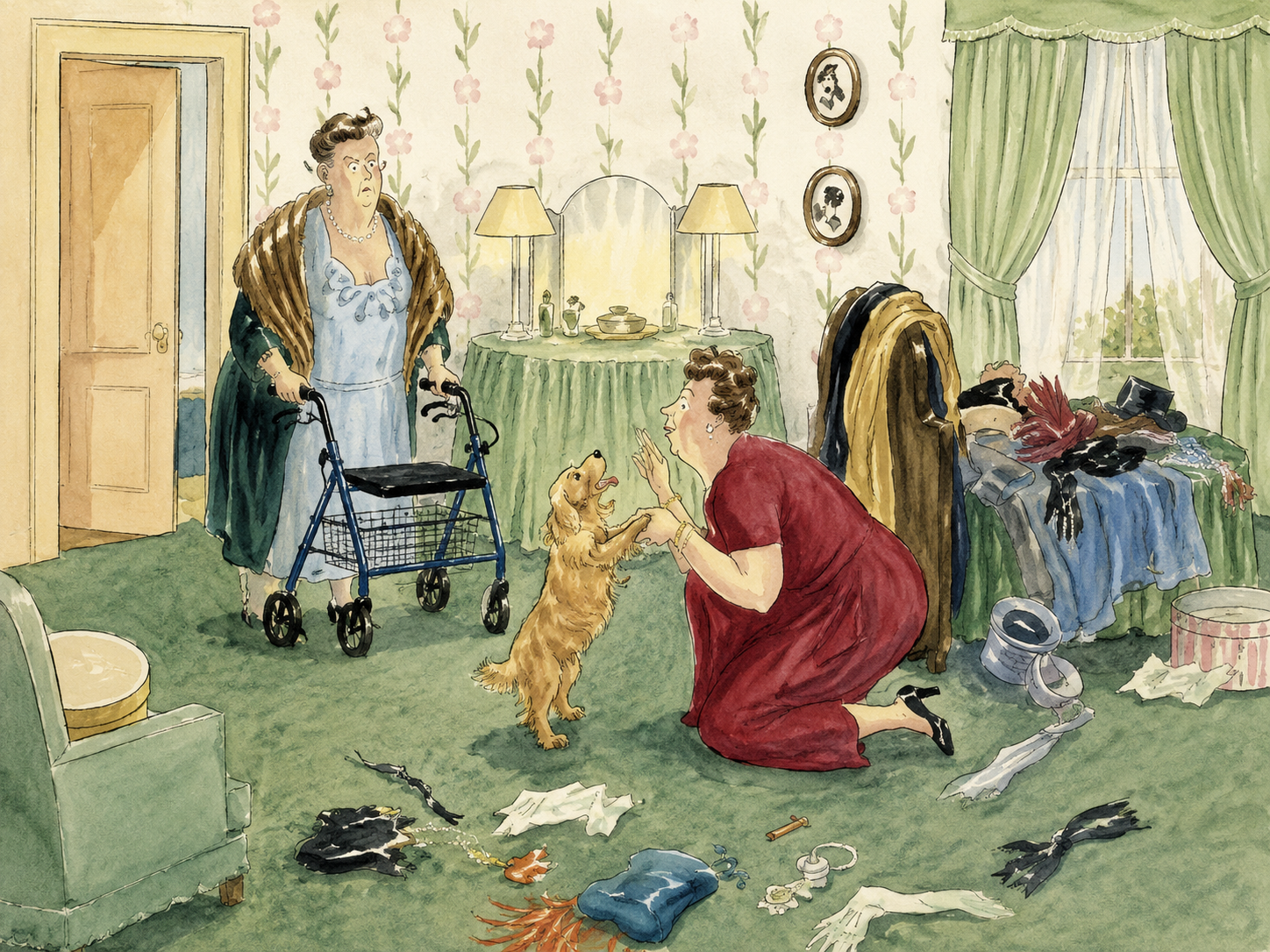
My dad moved from a cane to a rollator because of his balance — and because he was afraid of falling again.
Finding the Best Walkers For Balance Problems isn’t about which one looks nicest or folds up easiest — it’s about which one actually keeps someone steady enough to avoid the fall that changes everything. I watched what that change looks like up close, and I’ve watched what happens when the wrong equipment doesn’t catch someone in time.
His fear turned out to be justified — he did fall later, in a different way. But before that, the switch from cane to rollator bought him real time on his feet. A cane just wasn’t giving him enough support anymore, and he knew it before it became an emergency.
Balance problems can come from aging, injury, surgery, neurological conditions, or just general weakness — but no matter the cause, the goal is the same: stay steady, stay independent, and avoid the kind of fall that takes independence away for good.
This guide covers the types of walkers that actually help with balance, what to look for, and how to know when it’s time to make a change — before it’s forced on you.

How Balance Affects the Type of Walker You Need
Not all walkers are the same — and when balance is the issue, the wrong one can make things harder, not easier.
Some walkers roll too easily or feel too light. That might sound convenient, but it creates real problems:
- It can move faster than you’re ready for
- It may shift when you don’t expect it
- It can increase fall risk instead of reducing it
What you want is something steady and predictable every single time you use it — not something that occasionally surprises you.
👉 If it feels like it could “get away from you,” it’s not the right walker yet.
Knowing When It’s Time to Change
This is the part people put off — and it’s the part that matters most.
My dad held onto his cane longer than he probably should have. The signs that it’s time to move to something with more support usually show up before a fall does:
- Feeling unsteady on turns, uneven ground, or getting up from a chair
- A general, nagging fear of falling that changes how you move
- Reaching for walls, counters, or furniture more than you used to
- A cane that used to feel like enough — and doesn’t anymore
👉 If the fear of falling is already changing your behavior, that’s usually a sign the current equipment isn’t giving you enough support — not a reason to just be more careful.
Learn the basics before you rely on it. For someone with balance problems, how you use a walker matters as much as which one you buy. Every tip or wheel should be on the ground before you put weight on it, your toes should stay inside the frame instead of crowding the front, and your eyes should be looking ahead, not down at your feet.
Those small habits are what keep the walker underneath you instead of out in front of you. When my dad started using one, the physical therapist drilled those same basics into him before anything else. The National Library of Medicine has a clear, step-by-step guide on using a walker safely, including how to sit, stand, and handle a curb, that’s worth reading before you take the first walk.
What to Look for in the Best Walkers for Balance Problems
1. Stability Over Speed
You’re not trying to move quickly — you’re trying to move safely.
- Standard walkers (no wheels) usually offer the most support
- Heavier walkers tend to feel more stable
- Lightweight isn’t always better here
👉 A slower, more controlled walker is usually the safer choice.
2. Controlled Movement (If It Has Wheels)
Wheels can help — but only the right kind, used the right way.
- Two-wheel walkers (front wheels only) can be a good middle ground
- Four-wheel rollators require more balance and control than people expect
- Hand brakes are essential if the walker rolls at all
👉 If balance is already poor, a full rollator can feel unstable unless there’s good hand control to back it up.
3. Proper Fit and Height
Overlooked constantly, but it makes a real difference.
A walker that’s too high or too low can:
- Throw off posture
- Make a person less stable, not more
- Cause strain in the back and shoulders over time
👉 Standing with hands on the grips, elbows should have a slight bend — not locked straight, not hunched.
4. Where It Will Be Used
Think about how it’s actually used, day to day.
- Inside the home → tighter spaces, more control needed
- Outdoors → uneven ground, longer distances, more exposure
👉 A walker that feels great indoors might not feel safe outside — and the reverse is just as true. Test it in both settings before deciding.
Types of Walkers That Work Best for Balance Problems
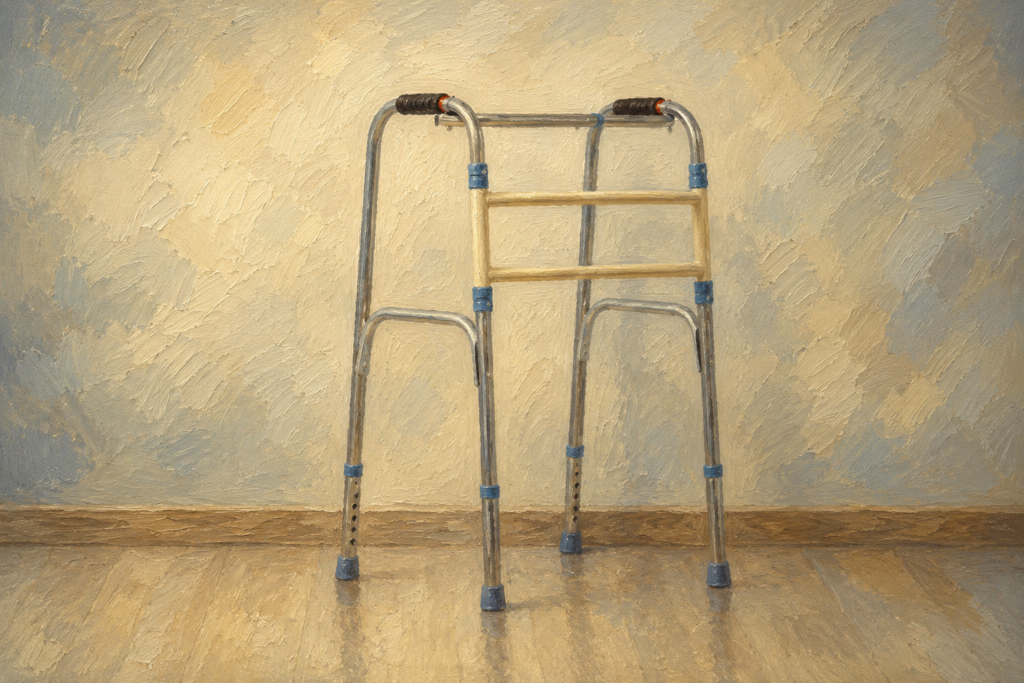
Standard Walker (No Wheels) – Most Stable Option
The safest choice for serious balance issues.
- No wheels means maximum control
- Doesn’t move unless it’s lifted
- Best for recovery, weakness, or high fall risk
Best for: People who need strong, steady support above everything else
Two-Wheel Walker – A Good Middle Ground
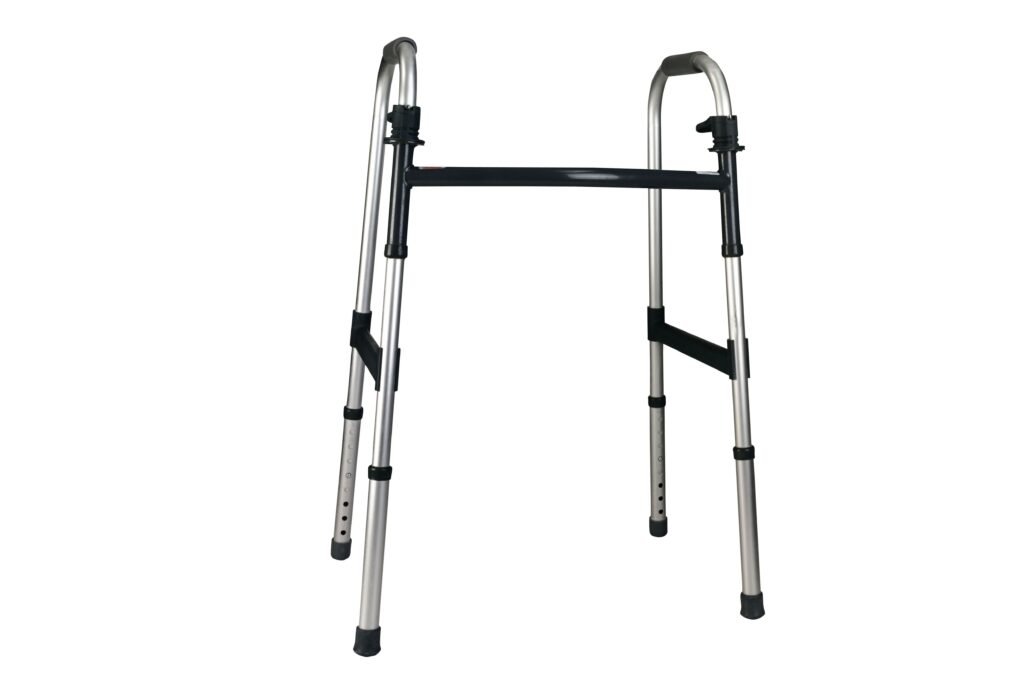
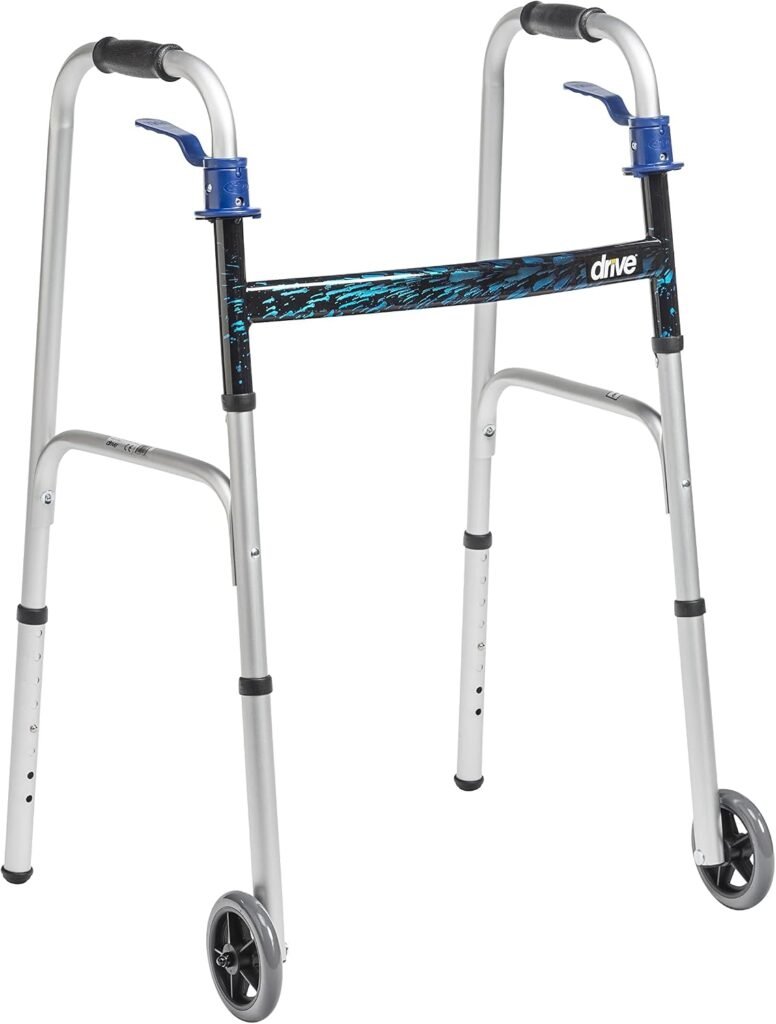
Adds a bit of movement without giving up too much stability.
- Front wheels glide slightly
- Back legs stay grounded for control
- Easier to use day-to-day than a standard walker
Best for: Mild to moderate balance issues — often the step right after a cane
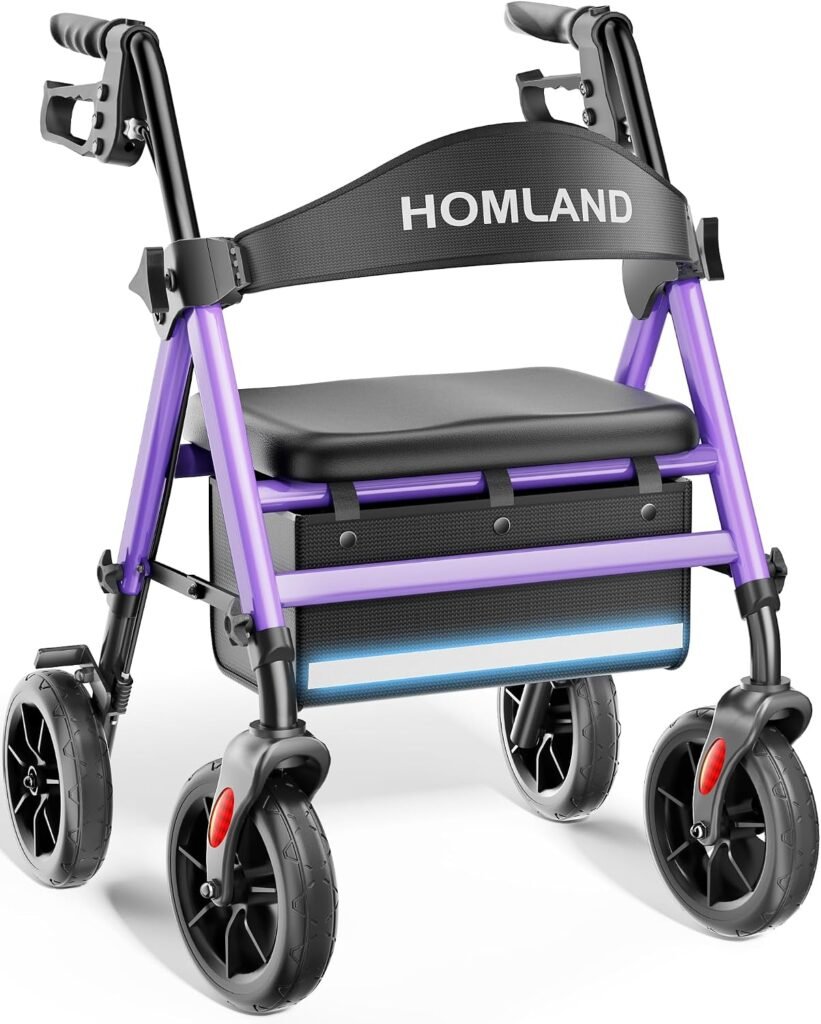
Rollator (Four-Wheel Walker) – Use With Caution
This is what my dad moved to from his cane. Popular, but not automatically the right first choice for balance problems.
- Moves easily in all directions
- Requires real hand control and coordination
- Can roll too quickly if not handled properly
- A seat built in means rest breaks without needing to sit somewhere unfamiliar
Best for: People who can walk steadily but need support and the option to rest along the way
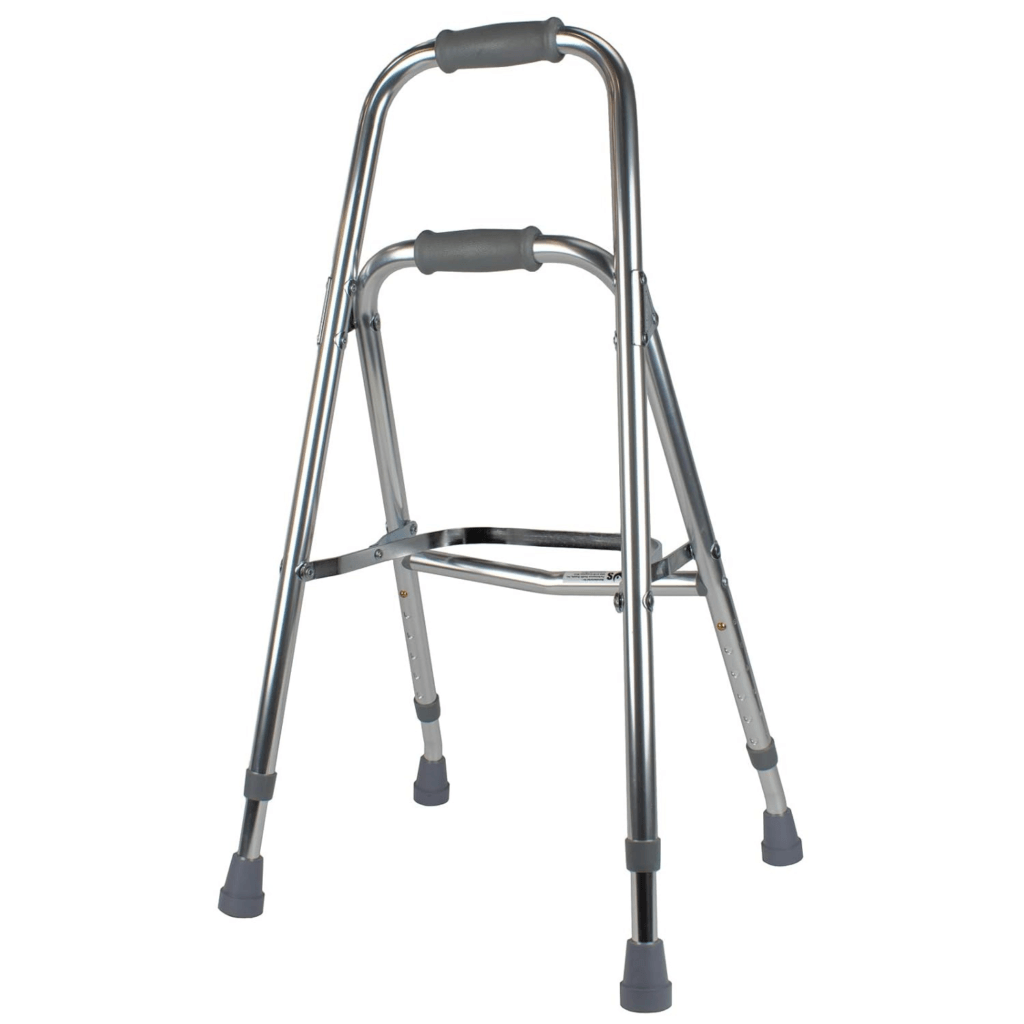
Hemi Walker – One-Handed Support
Designed for people with strength on only one side.
- Used with one hand
- More support than a cane, less bulk than a full walker
- Lightweight but still stable
Best for: Stroke recovery or one-sided weakness
Common Mistakes to Avoid
- Choosing wheels too soon — assuming it’ll be easier, but losing control instead
- Picking based on looks — modern or lightweight doesn’t mean safer
- Ignoring fit and height — a poor fit can make even a good walker unsafe
- Waiting too long to switch — like sticking with a cane out of habit or pride, past the point it’s really enough
- Not thinking about daily use — where and how it’s used matters as much as the walker itself
👉 The goal isn’t to hold onto independence by delaying the switch — it’s to protect independence by making the switch at the right time.
Practical Tips That Make a Real Difference
- Test the walker on the same type of surface you’ll actually use it on
- Make sure it feels steady before relying on it fully
- Keep pathways at home clear — no rugs, no clutter
- Take your time — rushing increases risk regardless of the equipment
- Reassess every so often — what worked a year ago may not be enough now
👉 The right walker should make you feel more in control, not less.

| Your Situation | Best Option |
|---|---|
| Just came from a serious fall or surgery, need max support | Standard Folding Walker (No Wheels) |
| Cane isn’t cutting it anymore, not ready for full wheels | Two-Wheel Walker with Glide Caps |
| Need extra weight capacity or a sturdier frame | Heavy-Duty Walker (Bariatric Model) |
| Weakness or limited use on one side only | Hemi Walker |
| Steady on your feet, just want support and rest breaks | Basic Rollator (With Brakes) |
Final Thoughts
Choosing the best walker for balance problems comes down to one thing: safety you can actually trust, every single time you use it.
My dad made the switch from a cane to a rollator because he was afraid of falling again — and for a while, that switch worked. It gave him real support and real time. The equipment isn’t the whole story, but it’s a piece that matters more than people expect until they’ve watched someone they love go through it.
The right walker should feel solid, steady, and predictable. It shouldn’t make you second-guess your own movement. Start with stability, make sure it actually fits, and don’t wait until a fall forces the decision for you.
Can I switch back to a cane if the walker feels like too much?
Sometimes, but it’s worth asking why the walker feels like “too much” first. If it’s just an adjustment period, that’s normal — most people need a week or two to feel natural with new equipment. If it genuinely feels unstable or wrong, that’s more likely a sizing or type issue than a sign you didn’t need it.
Do I need a doctor’s referral to get a walker with more support?
Not usually for a basic purchase — you can buy a standard walker or rollator without a prescription. But if you want it covered by insurance or Medicare, or want a physical therapist to confirm you’ve got the right type and fit, a referral is worth getting.
What’s the difference between a rollator and a standard four-wheel walker?
They’re often the same thing — “rollator” usually just refers to a four-wheel walker with a seat and hand brakes. Some people use the terms interchangeably; the seat and brakes are what separate it from a basic wheeled walker.
Can balance improve enough to move back to less support later?
Yes, especially if the balance issue came from something temporary like surgery recovery or an injury. Many people step back down to a cane, or off equipment entirely, once strength and confidence return. The equipment should match where you are now, not be permanent by default.
