
Simple Changes That Make a Big Difference
Fall Prevention in the Home.The toilet seat shifted, and my dad went down hard onto the tile floor. He cut his arm and his elbow badly enough that I still remember the sight of it. It was one of those cheap clamp-on raised toilet seats — the kind with a plastic clamp on the front that just grips the bowl. It looked secure. It wasn’t.
I ordered a toilet safety rail the same day, but shipping took three days. Until it arrived, I didn’t leave him alone in that bathroom. I sat outside the door or on the edge of his bed in his en suite, close enough to help him up and down every single time, because I knew that seat could shift again.
If you take one thing away from this article, take this: if you’re using a raised toilet seat, don’t rely on a clamp alone. Pair it with a toilet safety rail or a seat that bolts to the bowl. Those clamp-on seats are more dangerous than people realize, and I learned that the hard way.
That’s the thing about fall prevention — it’s not really about a checklist. It’s about paying attention to the moments where things can quietly go wrong, and building in enough support that they don’t.
Falls Don’t Always Have a Clean Explanation
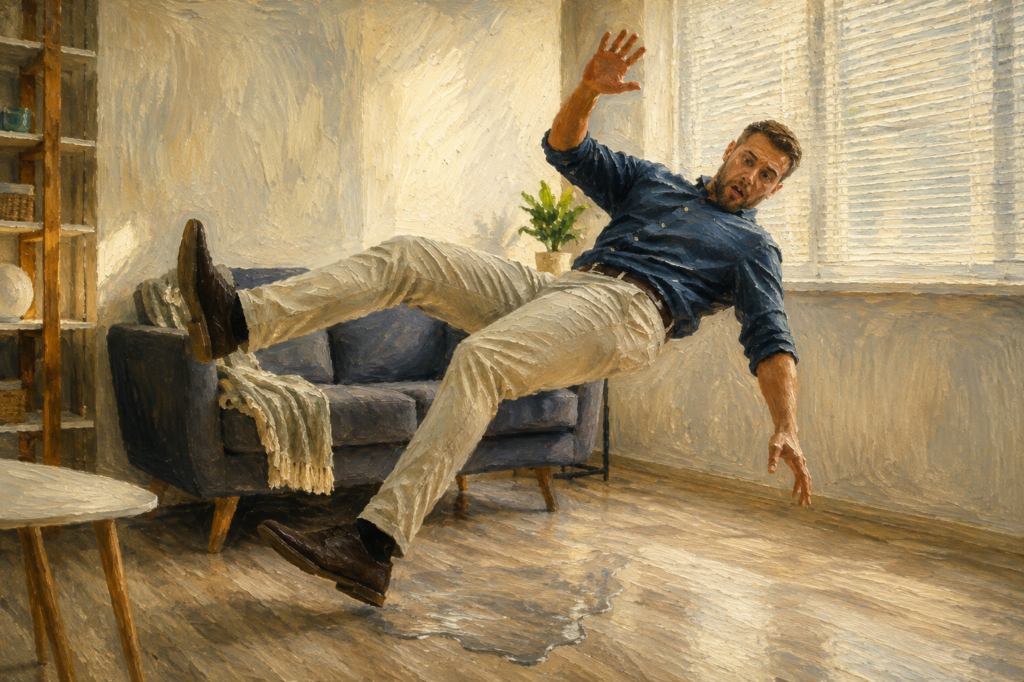
Most articles on this topic will tell you falls are preventable if you just fix the obvious hazards — loose rugs, bad lighting, worn-out shoes. Those things matter, and I’ll get to them. But I want to be honest about something first: my dad fell a couple of times in his bedroom, and to this day I’m not entirely sure why. He may have lost his balance. He may have misjudged a step. I wasn’t always in the room when it happened, and afterward, there wasn’t always a clear cause to point to.
That’s a hard thing to sit with as a caregiver. You want a reason, because a reason means you can prevent it next time. Sometimes there isn’t one. What you can do is reduce the number of moments where a fall has the chance to happen at all — which is a lot of what this article is really about.
Why Falls Happen More Than People Realize
Falls are rarely caused by one big, obvious mistake. It’s usually a combination of small things stacking up:
- Poor lighting
- Clutter or loose rugs
- Slippery surfaces
- Weak balance or fatigue
- Rushing instead of moving carefully
When two or three of these show up at once, that’s when falls happen. The goal isn’t to turn your home into a hospital room. It’s to remove enough risk that ordinary moments — getting up, walking to the bathroom, sitting down — stay ordinary.
For a broader look at how serious falls are among older adults, the CDC has solid data and guidance: https://www.cdc.gov/falls. It’s worth a look for the bigger picture while you focus on the practical changes below.
Match Supervision to Ability — Not to Routine
This is something I had to learn over time, not something I knew from day one. Early on, my dad had enough strength and balance that he could surprise me. I’d go downstairs for a minute, come back up, and he’d already gotten himself out of his wheelchair and onto the toilet on his own. That was normal for a while.
But after the falls started, that changed. In the last year and a half of caring for him, I was there for every single transfer — getting him out of the wheelchair, getting him back into it — because his legs were getting weaker and I wasn’t willing to gamble on a good day versus a bad one.
The lesson: supervision level should be based on someone’s actual current strength and balance, not on what they were able to do last month, and not on how “easy” a transfer looks on any given day. If someone’s legs or balance can’t reliably support them, don’t leave them to transfer alone — even if they insist they’re fine, and even if they’ve done it fine before. Balance and leg strength can decline gradually enough that you don’t notice the line has moved until a fall shows you where it is.
Fall Prevention in the Home Starts With Clear Pathways
This is the easiest place to start, and one of the most overlooked.
Walk through your home the way you normally would and look for anything that could trip you up:
- Remove loose rugs, or secure them with non-slip backing
- Keep cords and wires out of walkways
- Move small furniture that sticks out into a path
- Keep floors clear, especially near beds and chairs
If you have to step over something or walk around it, it’s a risk.

Lighting: If You Can’t See It, You Can’t Avoid It
A lot of falls happen at night or in low light. You don’t need anything fancy — just better visibility where it matters most:
- Hallways and stairways
- Bathrooms, especially for nighttime trips
- Entryways and outside steps
Simple upgrades that help:
- Night lights in bedrooms and bathrooms
- Motion-sensor lights in hallways
- Brighter bulbs in dim areas
Nobody should have to walk through their own house in the dark.
The Bathroom: Where Some of the Most Serious Falls Happen
The bathroom is one of the highest-risk rooms in the house, and I say that from experience. Water, hard tile, and tight spaces make it dangerous — and as I mentioned above, a raised toilet seat that isn’t properly secured is a real hazard, not a minor inconvenience.
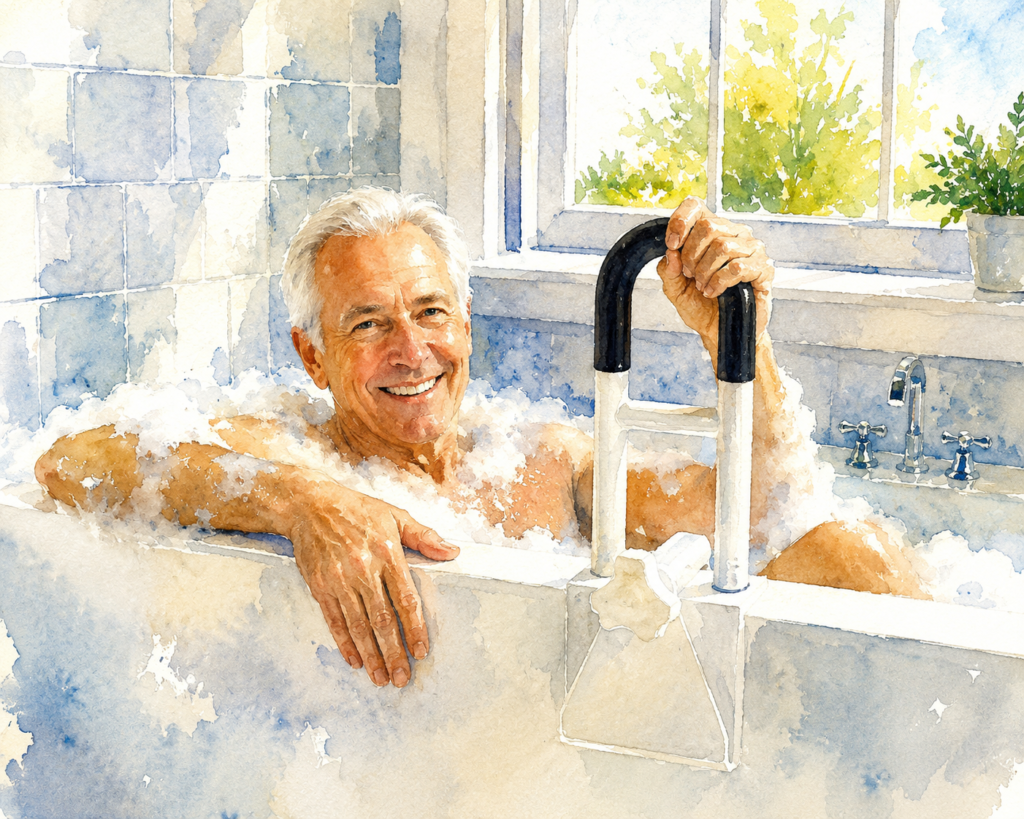
The bathroom deserves extra attention. Wet floors, hard surfaces, and the constant sitting and standing make it one of the most common places for a fall. I’ve covered grab bars, shower chairs, non-slip mats, and the other changes that made the biggest difference for my dad in my guide to bathroom safety and fall prevention.
Key safety upgrades:
- Grab bars near the toilet and in the shower
- A toilet safety rail, not just a clamp-on raised seat — this is the upgrade I wish I’d had from the start
- Non-slip mats inside and outside the tub
- A shower chair if standing feels unsteady
- A handheld showerhead for better control while seated or standing
Room-by-Room Checklist
Living Room
- Keep walkways open
- Secure rugs
- Make sure lighting is strong in the evening
Bedroom
- Clear path from bed to bathroom
- Keep a lamp within reach
- Make sure bed height makes it easy to get in and out safely
Kitchen
- Keep frequently used items within easy reach
- Use non-slip mats near the sink
- Avoid step stools if balance is a concern
Entryways and Stairs
- Install handrails where needed
- Add lighting near doors and steps
- Watch for uneven surfaces
Stand Assist Devices: Extra Support for Sitting and Standing
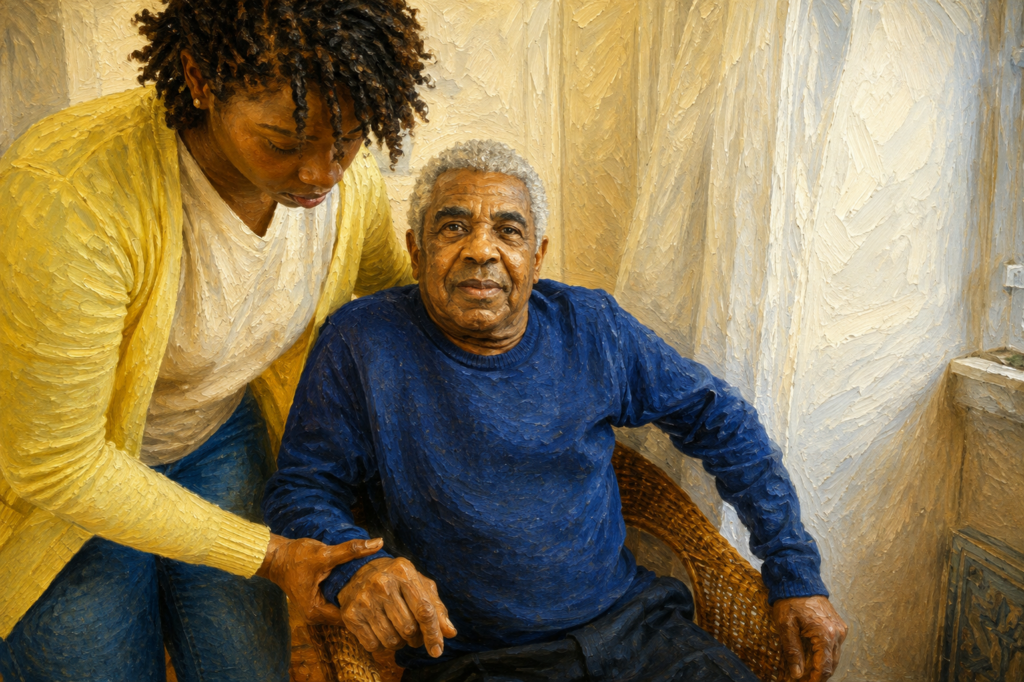
Stand assist handles can make a real difference, especially when getting up from a couch, bed, or chair starts to feel difficult. They give a firm, stable grip to push from, instead of relying on soft cushions or nearby furniture that can shift under weight — the same way that toilet seat shifted under my dad.
They’re especially worth considering if you notice:
- Difficulty getting up from low seating
- Weakness in the legs
- Feeling unsteady when standing
- Reaching for walls or furniture to pull yourself up
Why they work:
- Provide a firm, balanced grip on both sides
- Reduce strain on knees and hips
- Help you stand in a controlled, steady motion
Where to use them:
- Sofas and recliners
- Beds, especially for getting in and out
- Chairs without armrests
Most falls don’t happen while walking — they happen during transitions, like sitting down and standing up. That’s exactly why supervision and stable support during transfers matters as much as it does.
Footwear Matters More Than People Think
This gets overlooked constantly. What you wear on your feet plays a real role in fall prevention.
Avoid:
- Socks on smooth floors
- Loose slippers
- Worn-out soles
Better choices:
- Non-slip shoes or slippers
- Proper fit
- Good traction
Take Your Time — Rushing Causes Falls
A lot of falls happen when people rush. Standing too quickly can cause dizziness. Moving too fast leads to mistakes.
Better habits:
- Sit for a moment before standing
- Pause after standing to steady yourself
- Move at a controlled pace
There’s no reason to rush inside your own home.
Common Fall Prevention Mistakes
These are things I’ve seen happen over and over, including in my own experience:
- Assuming “it won’t happen to me” or “it won’t happen again”
- Using a raised toilet seat with only a clamp, and no rail
- Letting someone transfer alone because they managed it fine yesterday
- Ignoring small changes in balance or leg strength
- Poor lighting at night
- Wearing unsafe footwear
Small mistakes add up fast — and sometimes, as I found out, even careful people get caught by surprise.

Use Mobility Aids the Right Way
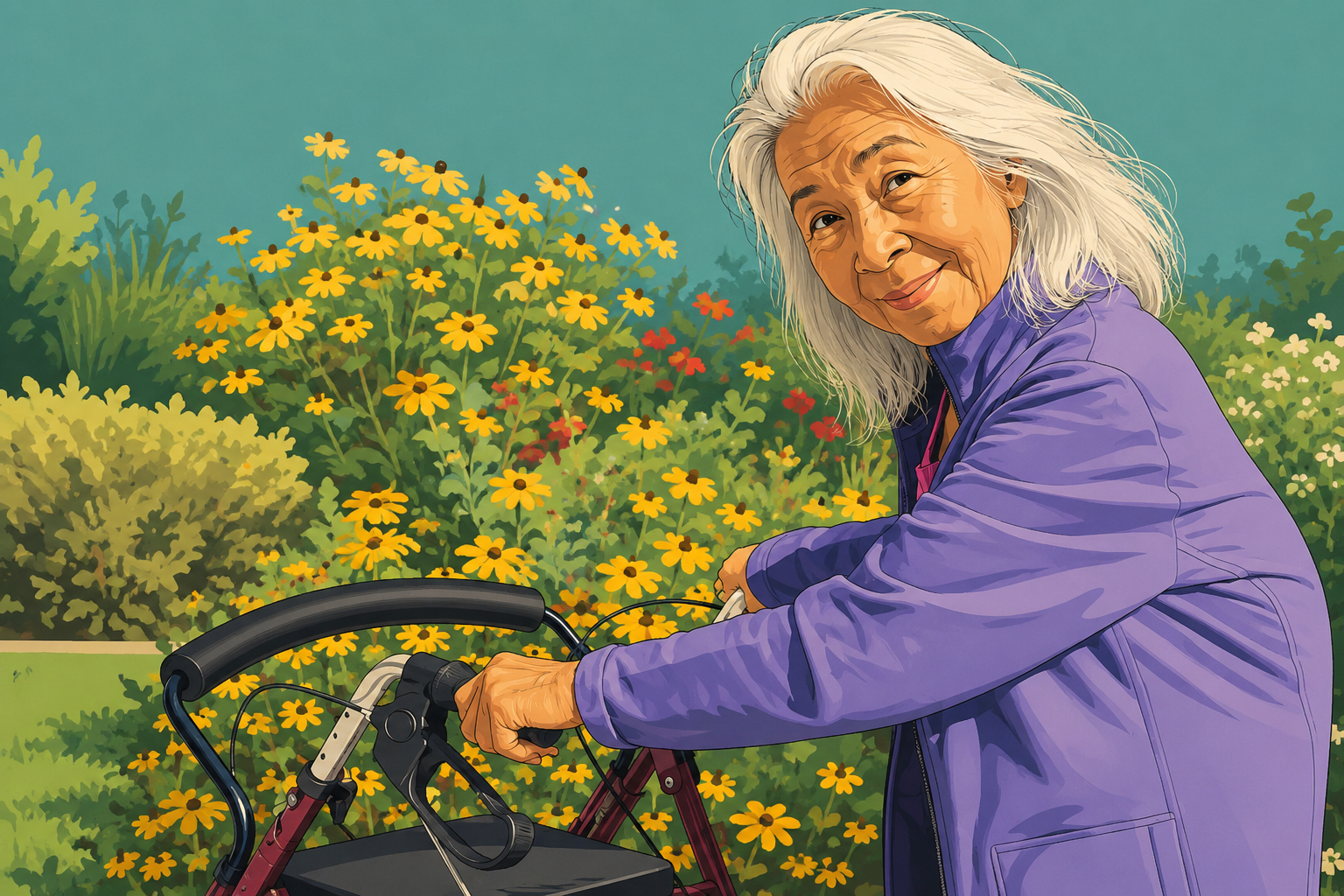
If you need support, use it. There’s no downside to being safer.
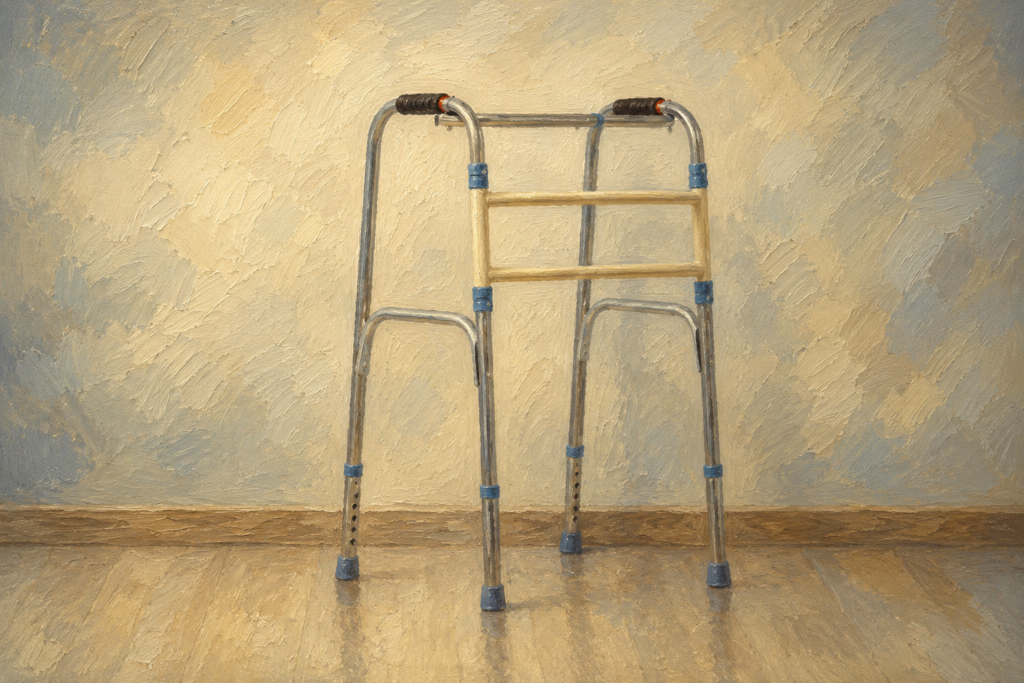
- Walkers for maximum stability
- Two-wheel walkers for a balance of support and movement
- Rollators for smoother movement, only if you can control them safely
The right tool depends on actual balance and strength — not on what looks easiest or least “medical.” If you’re unsure, start with more stability, not less.
Quick Fall Prevention Checklist
- Remove loose rugs
- Add night lights
- Install grab bars and a toilet safety rail, not just a clamp-on seat
- Wear non-slip footwear
- Keep pathways clear
- Match supervision to actual ability, not routine
- Slow down and move carefully
Recommended Options to Consider
Grab Bars (Wall-Mounted) — Strong, reliable support where you need it most
Toilet Safety Rail — Bolts or clamps around the toilet for real stability, unlike a seat clamp alone
Non-Slip Mats — Helps prevent slips in bathrooms and kitchens
Shower Chair — Adds safety and reduces fatigue while bathing
Motion Sensor Night Lights — Lights your path automatically at night
Reacher/Grabber Tool — Helps you avoid bending or overreaching
Final Thoughts
Fall prevention in the home isn’t about doing everything at once, and it isn’t about achieving some perfect, risk-free environment. When I was caring for my dad, it was the small, consistent things that mattered most — clear paths, good lighting, something stable to hold onto, and being physically present during the moments that mattered, like transfers.
It was also about being honest with myself when the situation changed. What worked for him at one point in his care didn’t work later, and pretending otherwise would have put him at more risk, not less.
Start with the basics. Fix what’s obvious. Then pay attention to the moments that are harder to plan for — because those are usually the ones that matter most.
FAQ’s
How can I make my home safer to prevent falls?
tart with simple changes like removing loose rugs, improving lighting, installing grab bars, and keeping walkways clear. If you’re using a raised toilet seat, pair it with a toilet safety rail rather than relying on a clamp alone. Small, consistent adjustments throughout the home can significantly reduce the risk of falls.
Why is fall prevention so important for older adults?
A serious fall can lead to injuries, loss of confidence, and reduced independence. Preventing falls helps people stay active, safe, and comfortable in their own homes for as long as possible — but prevention also means matching supervision to someone’s actual current ability, not just fixing hazards around the house.
What is the most dangerous room in the house for falls?
The bathroom. Water, hard tile, and tight spaces make it one of the highest-risk areas — and a clamp-on raised toilet seat without a proper rail is a common but overlooked hazard. Pairing a toilet safety rail with grab bars and non-slip mats makes a real difference.
Is a clamp-on raised toilet seat safe to use without extra support?
Not on its own. Clamp-on seats can shift or loosen over time, even when they look secure. It’s safer to pair one with a toilet safety rail or use a seat that bolts directly to the bowl for a more stable connection.
How do I know if someone needs more supervision, not just home modifications?
Watch their actual current strength and balance — not what they could do last month, and not how confident they seem on a good day. If legs or balance can’t reliably support a safe transfer, supervision during those moments matters as much as any home safety upgrade.
