

Choosing the right walker starts with understanding your mobility needs. Your balance, strength, endurance, and where you’ll use the walker all play an important role.
A standard walker provides the greatest stability, a two-wheel walker offers a good balance of support and easier movement, while a rollator is ideal for people who can walk more independently but benefit from extra balance assistance and a built-in seat.
No matter which type you choose, the safest walker is one that fits your needs, matches your lifestyle, and is adjusted to the correct height.
Choosing the right walker isn’t just about comfort — it’s about safety. According to the CDC’s STEADI initiative (Stopping Elderly Accidents, Deaths, and Injuries), properly fitted mobility aids play a key role in fall prevention for older adults. If you’re unsure which type is right for your situation, it’s worth reviewing the CDC’s fall prevention resources or talking with a physical therapist who can assess gait, balance, and grip strength before recommending a specific walker style.
The right walker can help you stay active, reduce your risk of falls, and maintain your independence. The wrong one can make walking more difficult, cause unnecessary fatigue, and in some cases even increase your chance of falling.
As a caregiver for my father, I learned firsthand that not every walker works for every person. What helped one individual move safely could be completely wrong for someone else. I also saw people choose walkers because they looked modern or convenient, only to discover they didn’t provide the support they actually needed.
The good news is that choosing the right walker becomes much easier once you understand a few key factors.
In this guide, I’ll explain how to choose the right walker based on your balance, strength, medical condition, lifestyle, and where you’ll use it most. By the end, you’ll have a much better idea of which type of walker is likely to keep you safe, comfortable, and confidently moving forward.

Quick Walker Selection Guide
Not sure which walker is right for you? Use this quick guide to match your mobility needs with the type of walker that’s typically the best fit. Then continue reading for a more detailed comparison of each option.
| 🧍 Your Situation | ✅ Recommended Walker | 💡 Why It’s a Good Choice |
|---|---|---|
| You need the most stability | 🟢 Standard Walker | Provides maximum support and helps reduce the risk of falls. |
| You’re recovering from surgery or an injury | 🔷 Two-Wheel Walker | Offers stability while allowing a more natural walking motion. |
| You have mild balance issues and want something lightweight | 🟣 3-Wheel Walker | Easy to maneuver in tight spaces and simple to transport. |
| You get tired on longer walks and need to rest often | 🔵 Rollator with Seat | Includes a built-in seat for convenient rest breaks. |
| You mostly walk inside your home | 🏠 Standard or Two-Wheel Walker | Fits through doorways and provides excellent indoor stability. |
| You enjoy shopping, traveling, or running errands | ✈️ 3-Wheel Walker | Lightweight, folds easily, and turns smoothly in crowded places. |
| You spend time walking outdoors | 🌳 4-Wheel Rollator | Larger wheels handle sidewalks and uneven surfaces more comfortably. |
| You have arthritis or limited hand strength | 💙 Lightweight Rollator with ergonomic hand grips | Easier to push and often more comfortable on the hands and wrists. |
Caregiver Tip: The best walker isn’t necessarily the most expensive or the one with the most features. It’s the one that provides the right amount of support for your current mobility needs while helping you stay safe and independent.
Still not sure? Follow this simple decision chart to narrow down which type of walker is likely to fit your needs best.
Start Here: Four Questions to Help You Choose the Right Walker
Before you choose a walker, take a moment to think about how you’ll use it every day. Answering these four questions will help you narrow your options and choose a walker that provides the right balance of safety, comfort, and independence.
1. How Good Is Your Balance?
- Poor balance → Standard walker
- Mild balance problems → Two-wheel walker
- Good balance → Rollator or 3-wheel walker
2. Where will you use your walker most?
- Indoors
- Outdoors
- Shopping
- Travel
- Uneven sidewalks
3. Do you need a place to rest?
- Yes → Choose a rollator with a seat.
- No → Consider a standard walker or two-wheel walker.
4. Can you safely lift and transport your walker?
- Need lightweight → Folding walker or 3-wheel walker
- Mostly stays at home → Weight is less important
Many people appreciate having a safe place to rest while shopping, attending events, or walking longer distances.
Understanding the Different Types of Walkers
Not all walkers are built the same, and choosing the right one can make a big difference in your comfort, safety, and confidence. Some walkers are designed to provide maximum stability, while others focus on maneuverability, speed, or comfort for longer walks.
The best walker for you depends on your balance, strength, mobility level, and where you’ll use it most often. Here’s a look at the main types of walkers and who they’re designed for.
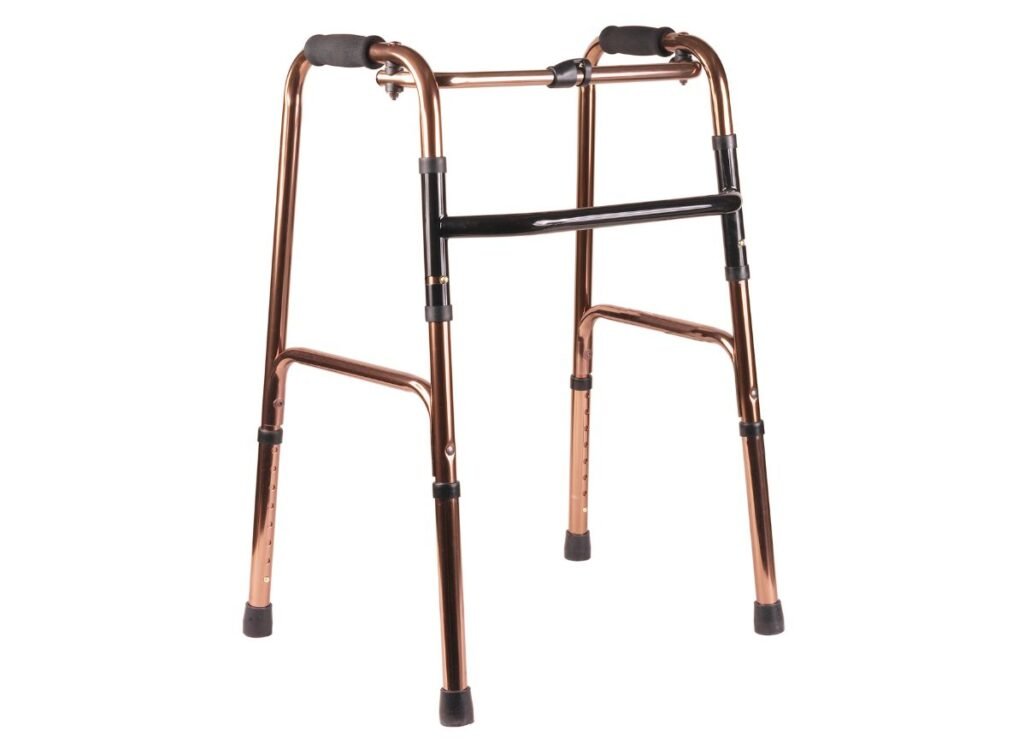
Standard Walker (No Wheels)
Best For
- Recovery after surgery or injury
- Significant balance problems
- Maximum indoor stability
- People who can comfortably lift the walker
Things to consider:
- Offers the highest level of support
- Requires more upper-body strength
- Can be tiring for longer walks
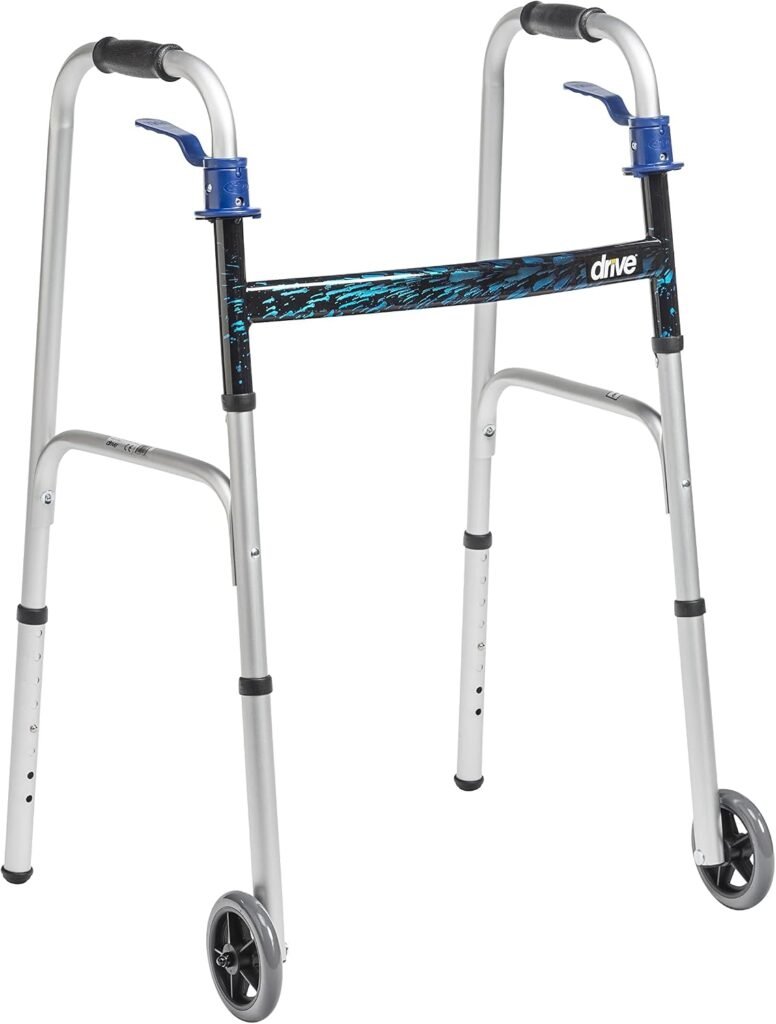
Two-Wheel Walker
Has wheels on the front legs, rubber tips on the back. You push it forward rather than lifting it, while the rear tips give you control.
Best for:
- Mild to moderate balance issues
- Recovery after hip or knee replacement
- Everyday indoor use
- Anyone who struggles to lift a standard walker
Things to consider:
- Much easier to use than a standard walker
- One of the most commonly recommended styles for good reason
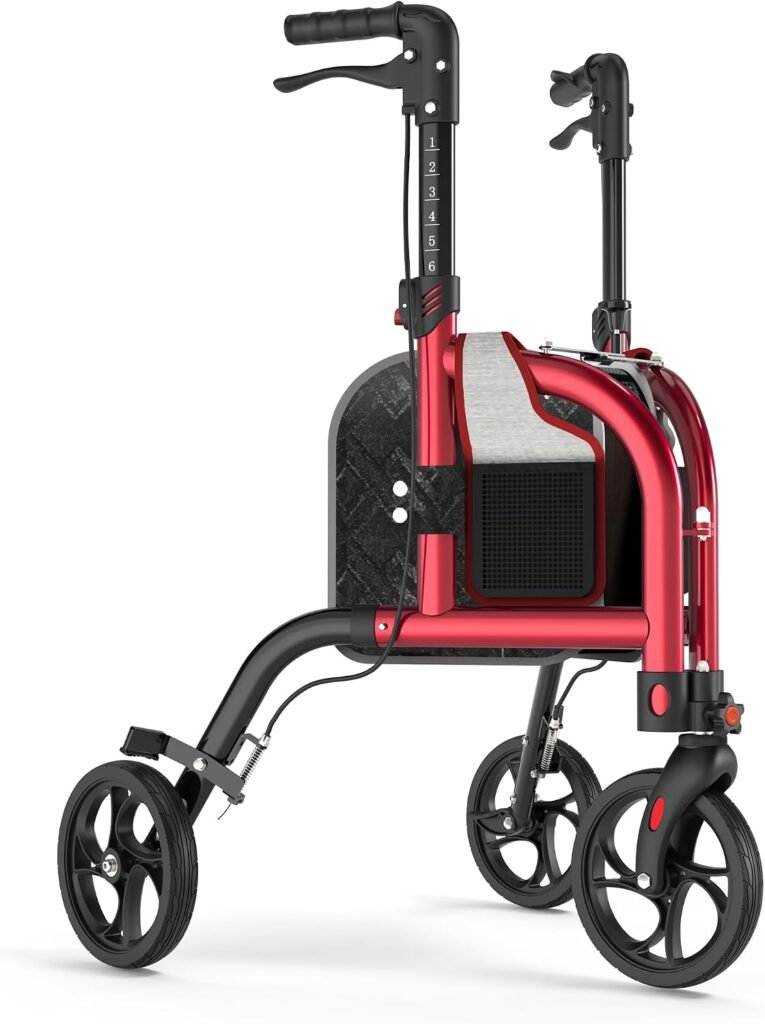
Three-Wheel Walker
A three-wheel walker features one wheel in front and two in back, making it lightweight and easy to maneuver. It turns easily around furniture, through doorways, and down store aisles.
Best for:
- Active adults with mild balance issues
- Shopping and travel
- Small homes or apartments
- Tight indoor spaces
Things to consider:
- Very lightweight and easy to transport
- Excellent maneuverability
- Usually does not include a seat
- Provides less stability than four-point walkers
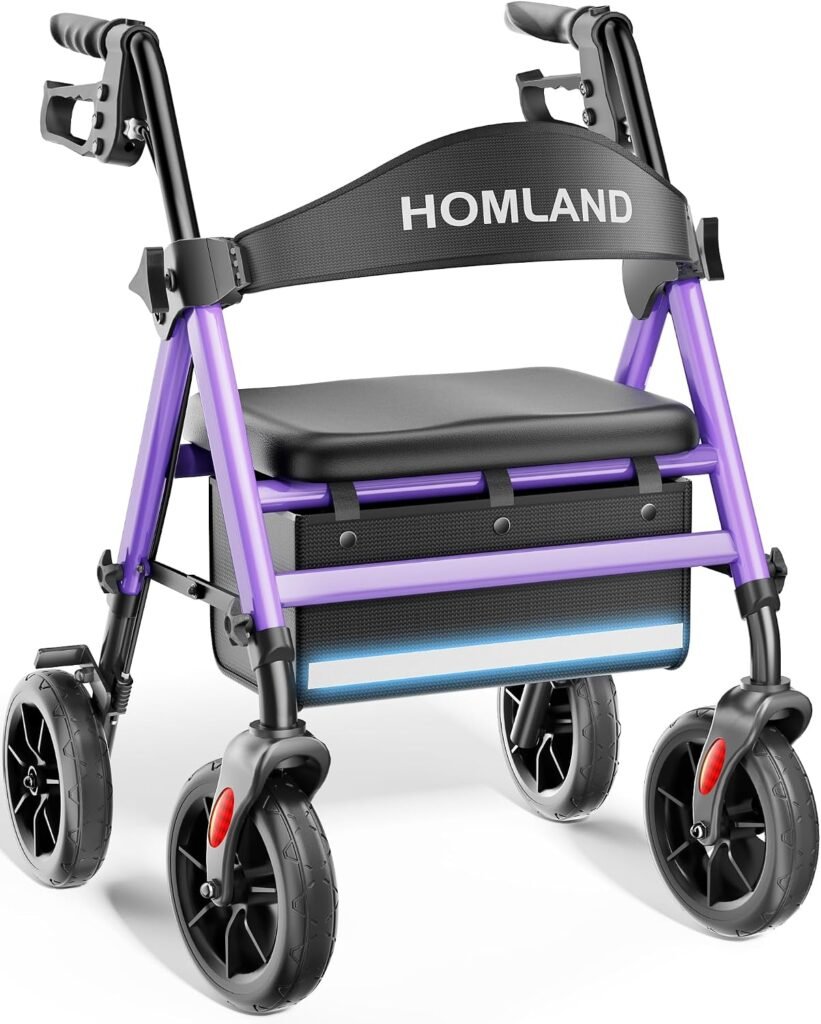
Four-Wheel Rollator
A four-wheel rollator has four wheels, hand brakes, a built-in seat, and usually a storage basket or pouch. It allows users to walk farther without lifting the walker and provides a convenient place to rest when needed.
Best For
- Longer indoor or outdoor walks
- Shopping and errands
- People who need occasional rest breaks
- Active users with fairly good balance
Things to consider:
- Comfortable for extended walking
- Easy to push on smooth surfaces
- Built-in seat offers convenient resting
- Requires good brake control for safe use
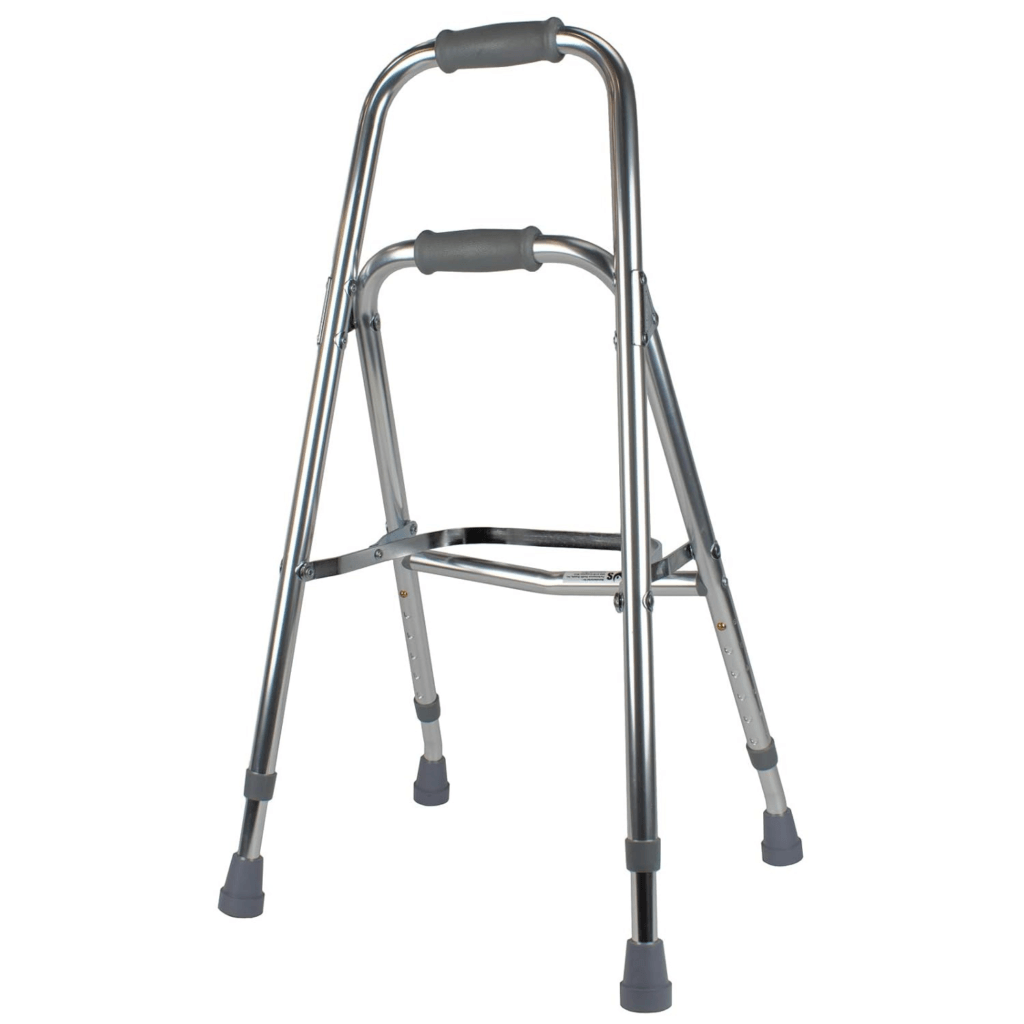
Hemi Walker
A hemi walker is designed for people who can only use one hand or one side of their body. It provides more stability than a cane while remaining easier to manage than a standard walker.
Best For
- Stroke recovery
- One-sided weakness
- Limited use of one arm or hand
- People transitioning from a wheelchair or cane
Things to consider:
- Offers more support than a cane
- Used with one hand
- Often recommended by physical or occupational therapists
- Moves more slowly than other walkers
Upright Walker
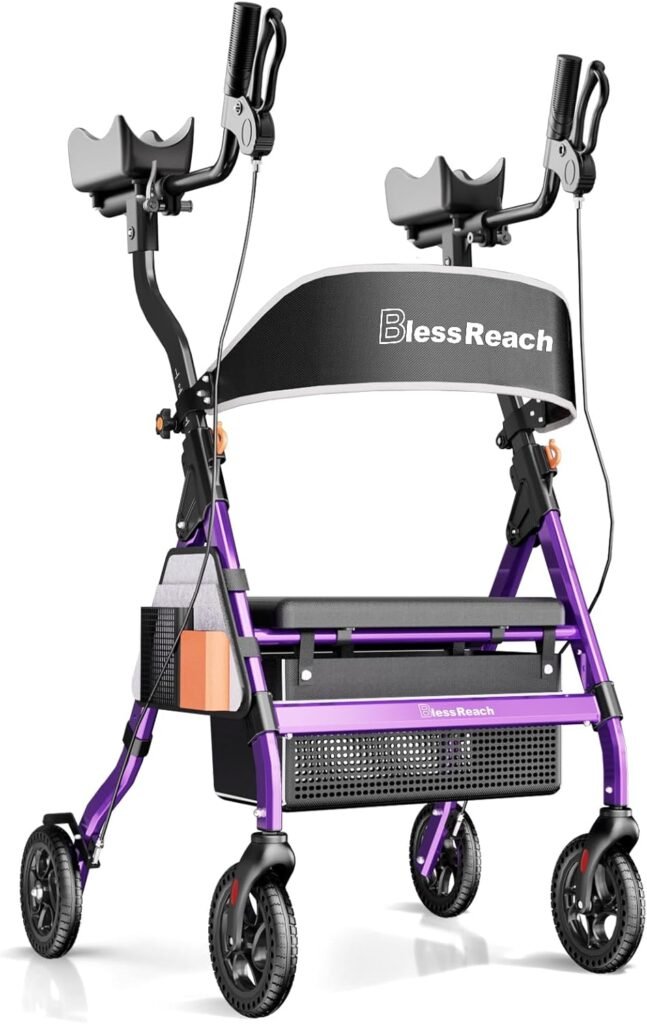
An upright walker uses padded forearm supports instead of traditional hand grips. This design encourages a more natural standing position, helping reduce strain on the back, shoulders, wrists, and neck.
Best For
- People who lean forward while walking
- Chronic back or neck discomfort
- Longer walks indoors or outdoors
- Users with enough balance to safely operate hand brakes
Things to consider:
- Encourages better posture
- Can improve comfort during longer walks
- Larger and heavier than traditional walkers
- May be more difficult to use in small spaces
Bariatric Walkers for Larger Body Types
Standard walkers typically support 250–300 lbs, which isn’t enough for every user. Bariatric walkers are built with reinforced frames, wider bases, and higher weight capacities—often 400–700 lbs depending on the model.
Best For
- Users whose weight exceeds standard walker capacity
- People who need a wider, more stable base
- Anyone prioritizing frame durability for daily use
Things to consider:
- Heavier and bulkier than standard models
- May not fit through narrow doorways
- Always check the manufacturer’s listed weight capacity before buying
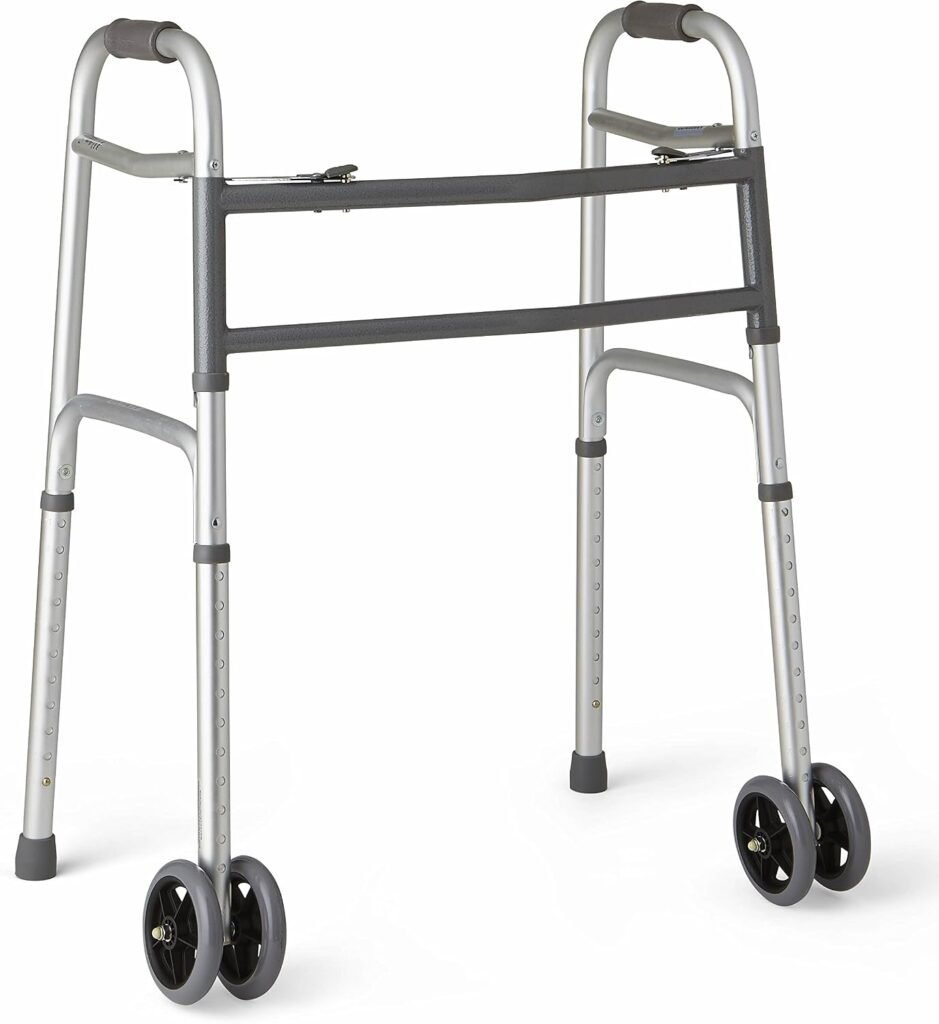
Choosing the right frame size and capacity is a core part of how to choose the right walker safely when standard sizing doesn’t fit.
Which Walker Is Right for You?
There’s no one-size-fits-all answer when choosing a walker. The safest option depends on your individual needs and mobility.
Ask yourself these questions:
- How much balance support do I need?
- Will I mainly use the walker indoors, outdoors, or both?
- Can I comfortably lift a walker, or would wheels make walking easier?
- Do I need a seat to rest during longer walks?
- Will I be navigating narrow hallways, stores, or crowded spaces?
If you’re unsure, talk with your doctor or physical therapist. They can recommend the safest type of walker for your condition and make sure it’s adjusted to fit you properly.
Caregiver Tip: When I cared for my father, I learned that the “best” walker changed as his mobility changed. He started with a rollator when he was active, but as his balance declined, a standard walker became the safer choice. Reassessing your mobility every few months—or after any fall, illness, or surgery—can help prevent accidents and keep you walking safely.
Common Mistakes When Choosing a Walker
Choosing the right walker is not just about price, style, or extra features. Avoiding these common mistakes can help you choose a walker that is safer, more comfortable, and better suited to your daily needs.
| ❌ Common Mistake | ✅ Better Choice |
|---|---|
| Choosing a walker based only on price | Focus on safety, comfort, and the level of support you need. |
| Buying a rollator only because it has a seat | A seat is helpful, but only if you have enough balance to safely use a rollator. |
| Choosing the lightest walker without considering stability | Choose a walker that provides the right amount of support for your current mobility needs. |
| Using a walker that has not been adjusted to your height | Adjust the hand grips so your elbows bend slightly and your posture stays upright. |
| Ignoring where you will use the walker most | Think about indoor use, outdoor use, travel, doorways, sidewalks, and uneven surfaces. |
| Choosing a walker that is too advanced or not supportive enough | Choose the walker that matches your ability today, not the one you hope to need later. |
| Skipping advice from a doctor or physical therapist | Ask a healthcare professional if you are unsure which walker is safest for your situation. |
Caregiver Tip: When my father first started using a walker, we learned that the best-looking model was not always the safest choice. The right walker should match the person’s balance, strength, and daily routine.
🛒 Questions to Ask Before Buying a Walker
Before purchasing a walker, take a few minutes to answer these questions. The right answers can help you choose a mobility aid that’s safer, more comfortable, and better suited to your daily life.
- ✅ Where will I use the walker most—indoors, outdoors, or both?
- ✅ Do I need maximum stability, or am I looking for easier mobility?
- ✅ Will I need a built-in seat for rest breaks?
- ✅ Can I easily lift the walker into my vehicle?
- ✅ Will it fit through my home’s doorways and hallways?
- ✅ Do I have enough hand strength to operate hand brakes?
- ✅ Do I travel frequently or need a lightweight folding model?
- ✅ Is my balance likely to improve—or decline—in the coming months?
- ✅ Has my doctor or physical therapist recommended a specific type of walker?
Tip: Buying the right walker the first time can save money, improve comfort, and reduce your risk of falls.

Walker vs. Cane vs. Wheelchair
| Mobility Aid | Best For | Stability | Portability | Ideal User |
|---|---|---|---|---|
| 🦯 Cane | Mild balance issues | ⭐ Low | ⭐⭐⭐⭐⭐ Excellent | Someone needing minimal support |
| 🚶 Walker | Moderate to significant balance problems | ⭐⭐⭐⭐⭐ High | ⭐⭐⭐ Good | Someone needing extra support while walking |
| 🛞 Rollator | Balance support and longer walking | ⭐⭐⭐ Moderate | ⭐⭐⭐ Good | Active individuals who may need rest breaks |
| ♿ Wheelchair | Limited or no safe walking ability | ⭐⭐⭐⭐⭐ Maximum | ⭐⭐ Moderate | Someone unable to safely walk long distances |
If you’re wondering whether you need a walker or a cane, ask yourself one simple question:
Do I need support on one side or both sides?
A cane supports one side of the body. A walker provides support on both sides. When in doubt, more stability is usually safer than less stability.
How to Fit a Walker Correctly
Even the best walker can become uncomfortable—or unsafe—if it isn’t adjusted properly.
I’ve seen people using walkers that were far too low, forcing them to hunch over every step. I’ve also seen walkers adjusted too high, which can make them difficult to control. Neither situation is ideal.
Handle Height
When standing inside the walker:
- Arms should hang naturally at your sides
- Walker handles should line up with the crease in your wrist
- Elbows should have a slight bend (about 15 to 20 degrees)
If the walker is too low: you’ll lean forward, back and shoulder strain increases, and balance may suffer.
If the walker is too high: shoulders rise unnaturally, control decreases, and fatigue increases.
Seat Height and Width
If you’re buying a rollator:
- Feet should rest flat on the ground when seated
- Knees should bend naturally
- Seat width should provide adequate room without feeling cramped
Wheel Size Matters
Many buyers overlook wheel size.
Smaller wheels work well indoors, turn more easily, and handle smooth surfaces.
Larger wheels perform better outdoors, roll over cracks more easily, and handle sidewalks and uneven surfaces better.
If you’ll spend significant time outdoors, larger wheels are usually worth it.
Getting the fit right takes a little practice, and it helps to see the proper technique laid out step by step. For a trusted, easy-to-follow guide, the U.S. National Library of Medicine’s MedlinePlus walker instructions walk you through everything from adjusting the height to standing, sitting, and safely navigating curbs. It’s a helpful reference to bookmark, especially when someone is just starting out with a new walker.
When It’s Time to Switch Walkers
Your mobility needs can change over time because of aging, recovery from surgery, or a medical condition. If your current walker no longer feels safe or comfortable, it may be time to consider a different type of walker.
| 🚶 Your Situation | ➡️ Consider Switching To | 💡 Why |
|---|---|---|
| You’re recovering from surgery and becoming more mobile. | Two-Wheel Walker | Provides support while allowing a smoother, more natural walking motion. |
| You walk comfortably but want something lighter for everyday use. | 3-Wheel Walker | Excellent for maneuvering through tight spaces and traveling. |
| You tire easily or need frequent rest breaks. | 4-Wheel Rollator | Built-in seat allows you to rest whenever needed. |
| Your balance has become worse and you rely heavily on your walker. | Standard Walker | Provides the highest level of stability and weight-bearing support. |
| You develop weakness on one side after a stroke or neurological condition. | Hemi Walker | Designed to provide support while using only one hand. |
| You experience wrist pain or struggle to stand upright. | Upright Walker | Encourages better posture and reduces strain on the wrists and shoulders. |
Caregiver Tip: Don’t think of switching walkers as a setback. As your mobility changes, using a walker that better matches your current abilities can improve safety, reduce fatigue, and help you stay independent longer.

Walker Features That Matter Before You Buy
It’s easy to get distracted by cup holders, storage bags, and fancy accessories. Focus on the important features first.
Weight Capacity
Always verify the walker’s weight rating. A walker operating near its maximum capacity will wear faster and may feel less stable.
Brakes
For rollators, quality brakes are critical. You should be able to slow the walker easily, stop it confidently, and lock the brakes securely before sitting.
Foldability
If you travel frequently or transport the walker in a vehicle, folding size becomes important.
Walker Weight
Some walkers are surprisingly heavy. A lightweight walker may be easier to load into a vehicle but might sacrifice some stability. Balance convenience with safety.
Walker Accessories Worth Considering
Once you’ve settled on a walker type, a few accessories can make daily use easier:
- Storage baskets or pouches – handy for carrying essentials during shopping or errands
- Cup holders – useful for staying hydrated on longer walks
- Ski or glide attachments – help a standard walker slide more smoothly on carpet
- Oxygen tank holders – for users who need portable oxygen while walking
- Wheel locks – added security for rollators used on inclines
- Walker trays – convert a walker into a mobile surface for carrying food or objects at home
These extras don’t replace the fundamentals of how to choose the right walker, but they can improve comfort and convenience once your core needs are met.
How Much Does a Walker Cost?
Price is often the first question people ask, but how to choose the right walker shouldn’t start with cost alone—it should start with the support level you actually need.
That said, here’s a general sense of pricing by type:
| Walker Type | Typical Price Range |
|---|---|
| Standard Walker (no wheels) | $30–$80 |
| Two-Wheel Walker | $40–$100 |
| Three-Wheel Walker | $70–$150 |
| Four-Wheel Rollator | $80–$250 |
| Upright Walker | $150–$300 |
| Hemi Walker | $40–$90 |
| Bariatric/Heavy-Duty Models | $100–$350 |
Prices vary by brand, weight capacity, and features like padded seats or larger wheels. Insurance or Medicare may cover some or all of the cost if the walker is medically necessary.

Indoor vs. Outdoor Walker Use
Not every walker works equally well in every environment.
Best Walkers for Indoor Use
Typically: standard walkers, two-wheel walkers, three-wheel rollators. These models maneuver well through doorways, hallways, bathrooms, and tight spaces.
Best Walkers for Outdoor Use
Typically: four-wheel rollators, larger wheel rollators, upright walkers. These handle sidewalks, parking lots, walking trails, and outdoor events much better than smaller walkers.
Safety Mistakes to Avoid
Most walker accidents don’t happen because the walker fails. They happen because the walker is used incorrectly.
Letting the Walker Get Too Far Ahead
This is extremely common. The farther the walker gets away from you, the less support it provides. Stay close to the walker while walking.
Sitting Without Locking Rollator Brakes
Always lock the brakes before sitting. No exceptions. A rolling seat can quickly lead to a fall.
Using a Rollator for Heavy Support
Rollators are balance aids. They are not designed for someone who must heavily lean on the device. If substantial support is needed, a standard walker is often safer.
Ignoring Home Hazards
Common fall hazards include throw rugs, poor lighting, electrical cords, cluttered walkways, and slippery bathrooms. A good walker can’t overcome a dangerous environment.
Medicare Coverage for Walkers
Many people ask whether Medicare covers walkers and rollators. In many cases, the answer is yes.
Medicare Part B generally covers walkers, including rollators, when they are considered medically necessary durable medical equipment (DME).
Typically:
- A doctor must determine the walker is medically necessary
- The walker must be prescribed for use in the home
- The supplier must participate with Medicare
After meeting your Part B deductible, Medicare generally pays 80% of the approved amount, leaving the beneficiary responsible for 20%. Coverage rules can change, so always verify current requirements with Medicare or your supplier.
Does Insurance Cover Walkers Besides Medicare?
Medicare isn’t the only option. Depending on your situation, other coverage may apply:
- Medicaid: Many state Medicaid programs cover walkers and rollators as durable medical equipment, though rules vary by state.
- Private Insurance: Most private health plans follow similar durable medical equipment (DME) rules to Medicare—requiring a doctor’s prescription and proof of medical necessity.
- VA Benefits: Veterans enrolled in VA healthcare can often get walkers through the VA at no cost, typically after an evaluation by a VA physician or physical therapist.
- HSA/FSA Funds: Walkers usually qualify as an eligible expense under Health Savings Accounts and Flexible Spending Accounts.
Whichever route you take, understanding your coverage is another piece of how to choose the right walker without overspending. Always confirm current rules with your provider, since requirements can change.

Caregiver Checklist
As a caregiver, don’t just focus on the walker itself. Pay attention to how the person uses it.
Watch for:
- Leaning heavily forward
- Shuffling feet
- Difficulty standing from a chair
- Trouble turning
- Fatigue after short distances
- Fear of walking
- Failure to lock brakes before sitting
These can all signal that the walker may not be the right fit—or that additional help is needed.
Also consider: removing throw rugs, improving lighting, installing bathroom grab bars, and keeping pathways clear. Sometimes the home environment is just as important as the walker itself.
Recommended Walkers to Consider
- Best for Maximum Stability – Medline Folding Standard Walker
- Best Balance of Stability and Mobility – Drive Medical Two-Wheel Walker
- Best Rollator – Drive Medical Nitro Rollator
- Best Upright Walker – ELENKER Upright Walker
- Best One-Handed Support – Days Hemi Walker
Choosing the Right Walker for Everyday Activities
Different walkers fit different daily routines. Use this quick guide to match the walker style to where it will be used most often.
| Daily Activity | Best Walker Choice | Best For |
|---|---|---|
| 🏠 Home | Standard Walker | Maximum stability, indoor use, higher fall risk |
| 🛒 Shopping | Rollator Walker | Longer outings, carrying groceries, built-in seat |
| ✈️ Travel | 3-Wheel Walker | Lightweight design, folds easily, tight spaces |
| 🏥 Recovery | Two-Wheel Walker | After surgery, better mobility, more support |
Remember: The best walker is the one that fits your needs, your environment, and your daily routine.
Final Thoughts
Learning how to choose the right walker isn’t about finding the most expensive model or the one with the most features.
It’s about finding the walker that matches your balance, strength, mobility level, and daily routine.
The right walker can help you stay active, prevent falls, and maintain your independence. The wrong walker can make walking more difficult and potentially less safe.
Take your time, think about how and where the walker will be used, and don’t hesitate to ask your doctor, physical therapist, or occupational therapist for guidance if you’re unsure.
A properly chosen walker isn’t just a mobility aid. For many people, it’s the key to staying confident, active, and independent for years to come.

Remember: The best walker is the one that matches your current balance, strength, mobility, and daily routine—not necessarily the newest or most expensive model. If you’re unsure, talk with your doctor or physical therapist before making your final decision.
Frequently Asked Questions
How do I know if I need a walker instead of a cane?
If you need support on both sides of your body or feel unsteady while walking, a walker is usually safer than a cane.
What type of walker is safest for someone with poor balance?
A standard walker (no wheels) is usually the safest place to start. It doesn’t move unless you lift it, which gives you more control and reduces the chance of it getting away from you. Wheeled walkers can feel easier—but they’re not always safer.
Is a rollator safe after hip or knee surgery?
Sometimes, but not always. Many people begin with a standard walker or two-wheel walker before transitioning to a rollator.
How much does a walker cost?
Prices generally range from $30 for a basic standard walker to $300+ for a bariatric or upright model, depending on features and weight capacity.
Can I use a walker on stairs?
Most walkers aren’t designed for stairs. If you need to navigate steps regularly, talk to a physical therapist about proper technique or alternative equipment.
