
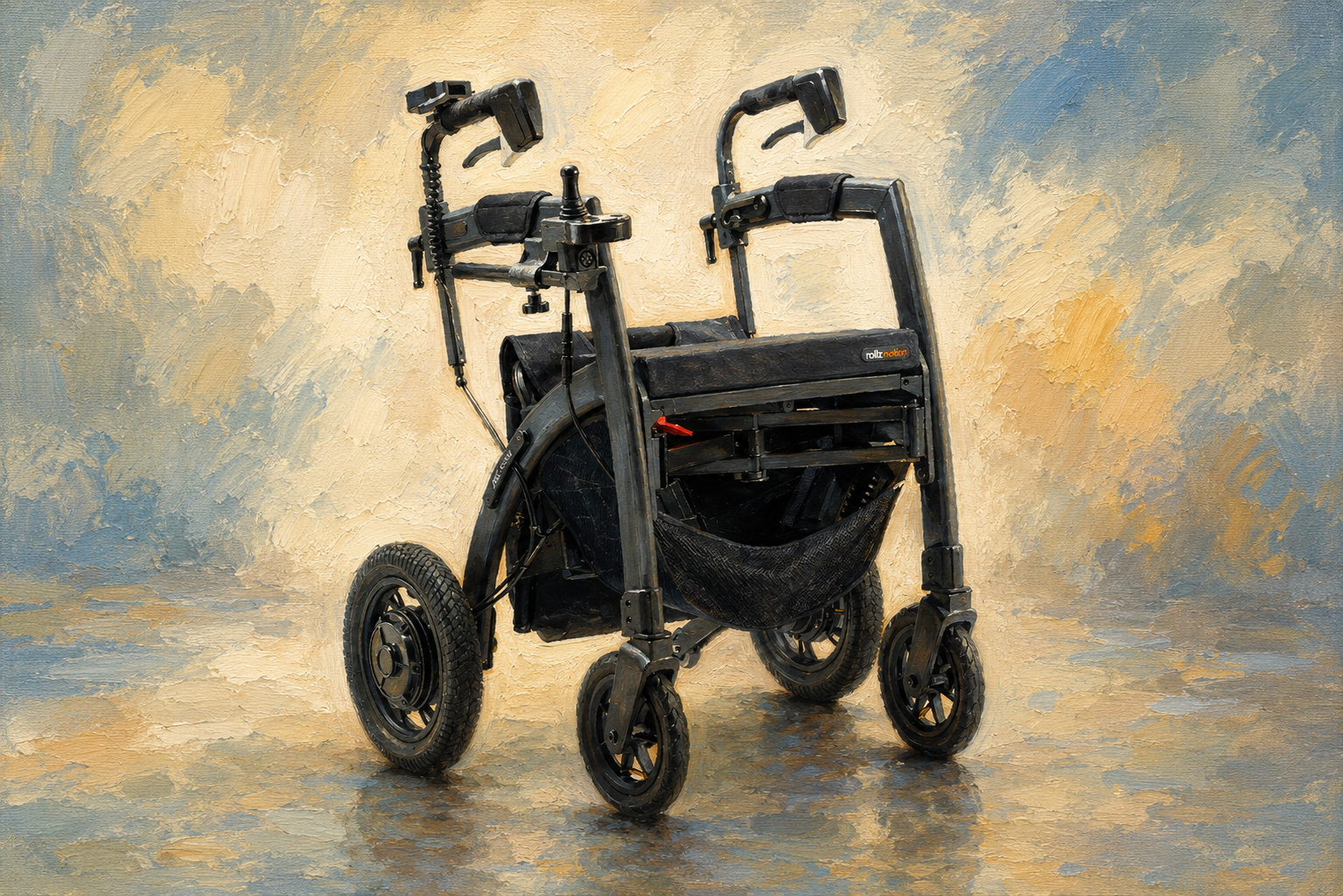
My dad fell in our hall reaching for his rollator.
Walker safety tips at home avoid falls matter more than most people realize — because falls rarely come from one big mistake. He wasn’t rushing. He wasn’t doing anything reckless. He just reached for it the way he had a hundred times before — and this time the wheels weren’t locked, and it rolled out from under him before he could catch himself. He broke his hip that day. He never walked unassisted again.
That’s the thing about falls at home. They don’t usually come from one big mistake. They come from something small and ordinary — a wheel that wasn’t braked, a rug that bunched up, a room that was just a little too dark — happening at exactly the wrong moment.
As his caregiver, I watched that moment change everything for him. And I’ve spent a lot of time since then thinking about what I wish I’d caught before it happened.
This guide covers what I’ve learned — the setup mistakes, the daily habits, and the room-by-room changes that actually reduce the risk of a fall like his.
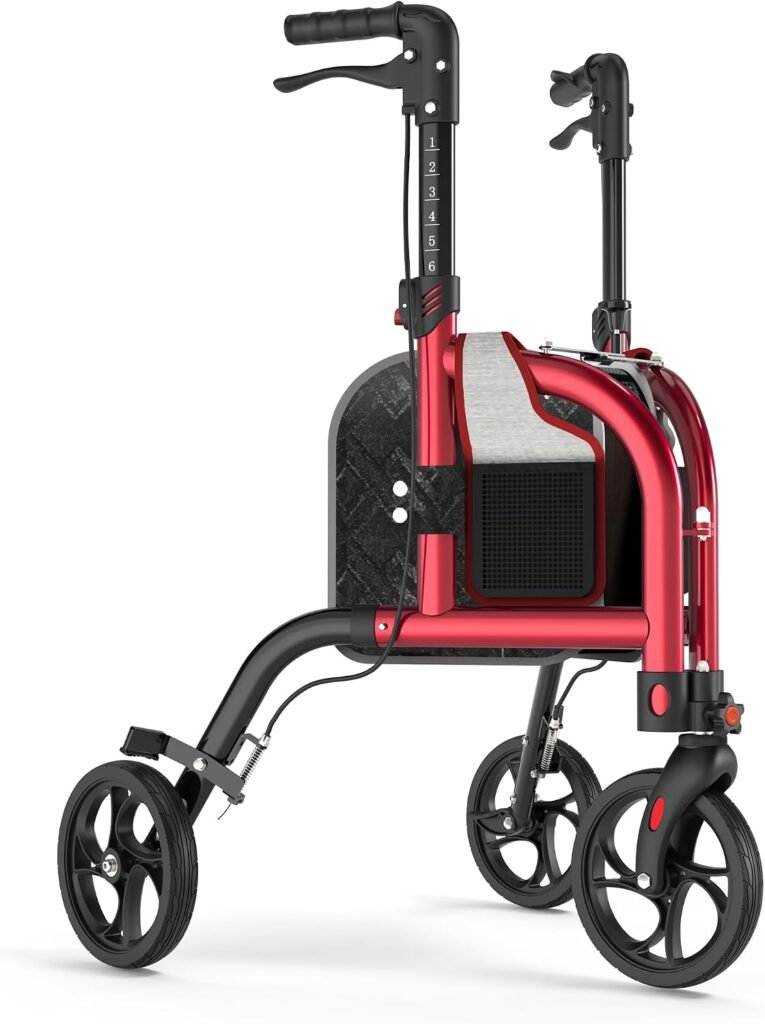
Start With the Walker Itself
Before you even look at the room, look at the equipment. My dad’s fall didn’t happen because of the house — it happened because the rollator moved when he needed it to stay still.
Check regularly:
- Brakes lock fully before he leans on it or sits down — don’t assume, test it
- Rubber tips or wheels aren’t worn smooth or loose
- Nothing on the frame feels loose, wobbly, or unstable
- The walker is adjusted to the right height (see below)
👉 A rollator that rolls when it shouldn’t isn’t a minor annoyance — it’s the same failure that put my dad in a wheelchair.
Short Video On How to Adjust Your Walker
Get the Height Right
A walker that’s too high or too low makes a person work harder to stay stable — which defeats the whole purpose of using one.
Quick way to check:
- Elbows should have a slight bend when holding the grips
- No leaning forward or hunching over to reach the handles
- It should feel natural, not like something you’re fighting
👉 If it feels off, it probably is. A small adjustment can make a real difference.
Clear the Walking Path
This is the simplest fix, and one of the most important.
Walkers need open space to move freely. Even small obstacles can catch a wheel or a leg and throw off balance.
Walk through the house and remove:
- Loose rugs
- Electrical cords
- Clutter on the floor
- Small furniture that sticks into the walkway
👉 If you have to “work around” something while using a walker, it probably shouldn’t be there.

Watch Slippery Floors — But Know They’re Not Always the Enemy
Smooth floors get a bad reputation, and for good reason — tile, hardwood, and anything wet can be dangerous under the wrong shoes.
But here’s something most people don’t think about: after my dad’s fall, when he was using a wheelchair full-time, we actually put hardwood flooring throughout the house — because carpet was nearly impossible for him to push through, and hardwood made him far more independent getting around on his own.
The lesson isn’t “avoid hardwood.” It’s that flooring needs to match the equipment and the person using it, and that can change over time. What works for a walker might not work for a wheelchair, and vice versa.
For walker users specifically:
- Wear non-slip shoes — never socks alone
- Clean up spills immediately
- Use non-slip mats in problem areas (bathroom, kitchen)
👉 A walker helps with balance — it can’t stop feet from slipping.
Lighting Matters More at Night
Poor lighting is one of the most overlooked fall risks in the home.
Make sure:
- Hallways and rooms are well lit
- Light switches are within easy reach
- Night lights are placed in key areas — bedroom, bathroom, hallway
👉 A lot of falls happen when someone gets up in the middle of the night, half-awake, in a dark room.
Don’t Rush
This sounds obvious, but it matters more than people think.
Rushing — even just a little — can lead to:
- Missteps
- Losing control of the walker
- Tripping over something normally avoided without a second thought
👉 Slow and steady is safer. There’s rarely a real reason to hurry.
Sit and Stand the Right Way
This is one of the most common moments for a fall — and it’s exactly where my dad’s happened.
Sitting down:
- Back up until you feel the chair behind your legs
- If the chair has armrests, reach back for them — not the walker
- If it doesn’t have armrests, lower yourself slowly using the seat itself, keeping your back straight, rather than gripping the walker for support
- Lower yourself slowly either way
Standing up:
- Push up from the chair or armrests first
- Only grab the walker once you’re steady on your feet
- Make sure the brakes are locked before you reach for it — don’t assume they are
👉 Never use the walker to pull yourself up or steady yourself while it’s still moving. If the wheels aren’t locked, it can roll before you’re ready for it.
Keep Everyday Items Within Reach
Reaching, bending, or stretching too far can throw off balance quickly — even for someone who feels steady.
Set up the space so there’s no need to:
- Store frequently used items at waist level
- Keep essentials close by, not across the room
- Avoid step stools or climbing entirely
👉 If you have to stretch for it, it’s a risk worth removing.
Room-by-Room Safety Tips
Different areas of the home carry different risks. A few minutes adjusting each space can make a real difference.
Family Room / Living Room:
- Keep walkways wide and completely clear
- Avoid low coffee tables or sharp corners
- Make sure chairs are stable and easy to get in and out of
- If a chair doesn’t have armrests, consider adding a stable one that does
Bedroom:
- Keep a clear, unobstructed path from bed to bathroom
- Use a bedside lamp or night light within arm’s reach
- Make sure the bed height allows an easy, controlled stand
Bathroom:
- Non-slip mats inside and outside the shower
- Install grab bars if at all possible
- Keep floors dry at all times — even a little water is enough
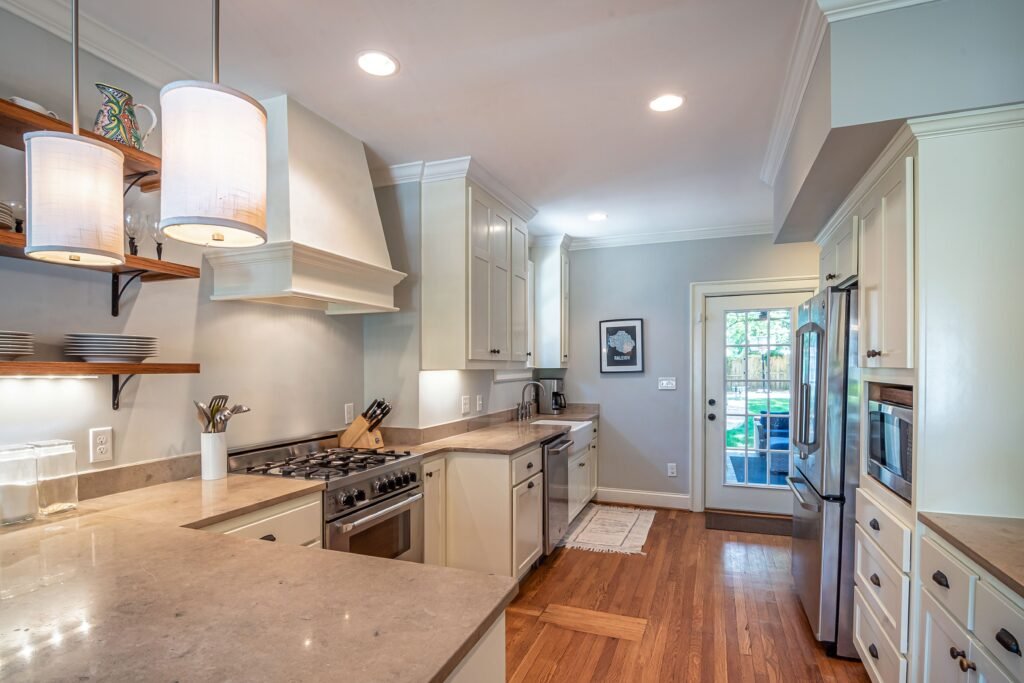
Kitchen:
- Keep frequently used items within reach, waist to shoulder height
- Avoid carrying hot or heavy items while using a walker
- Clean up spills immediately, not “in a minute”
👉 Most falls happen in the most familiar rooms in the house — this is exactly where small changes matter most.

Shoes Matter More Than People Think
What’s on your feet can either support your stability or completely undercut it.
Better choices:
- Non-slip shoes
- Closed-back slippers with real grip
- Lightweight, supportive footwear
Avoid:
- Socks on smooth floors
- Loose slippers
- Anything without traction
👉 A walker helps with balance — but the feet still need grip underneath it.
When a Walker Alone Isn’t Enough
Sometimes the issue isn’t the house — it’s that the current walker isn’t giving enough support anymore.
Signs it may be time to reassess:
- Still feeling unsteady even while using it
- The walker moves too easily, especially one with wheels
- Relying on walls or furniture for support instead of the walker itself
In these cases, it may be worth considering:
- A more stable, no-wheel walker instead of a rollator
- Additional support like grab bars throughout the home
- A full reassessment of the home setup with a physical therapist or mobility specialist
👉 The walker should make a person feel more stable — not less. If it doesn’t, that’s worth taking seriously rather than working around.
Daily Habits That Help Prevent Falls
Small habits, done consistently, matter as much as any piece of equipment.
- Take time when moving — there’s no prize for rushing
- Stand still for a moment before walking
- Keep both hands on the walker
- Don’t carry too much at once
- Check that the brakes are locked before leaning on it or reaching for it
- Stay aware of the surroundings, especially in familiar rooms where it’s easy to get complacent
Final Thoughts
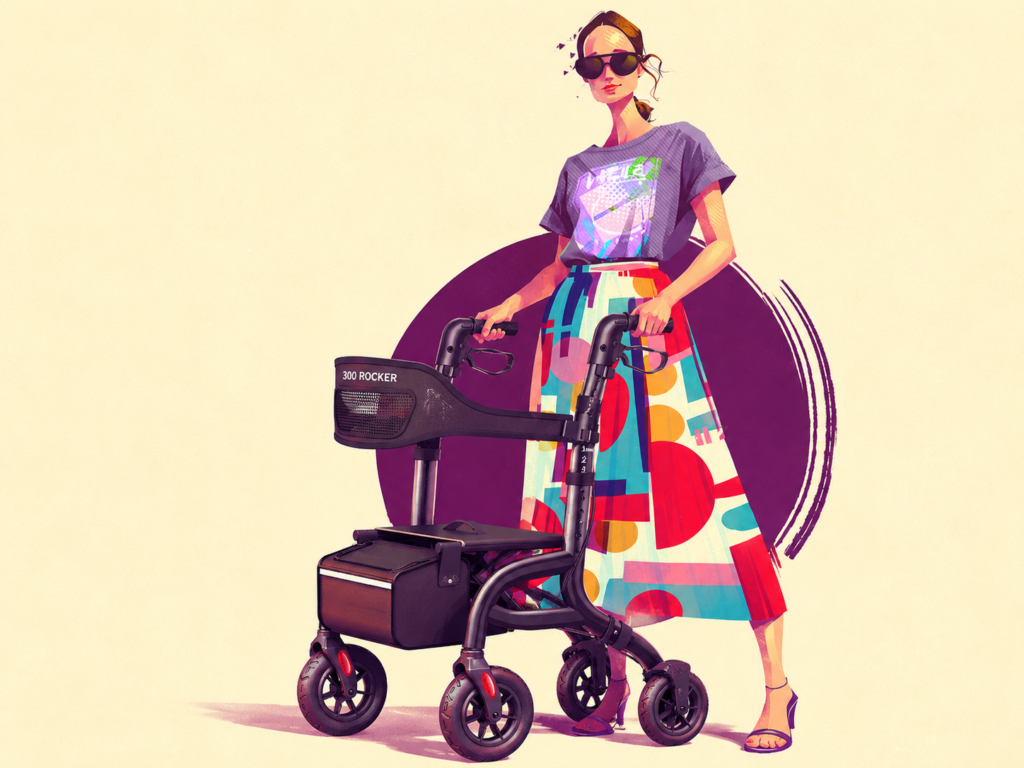
Using a walker at home should make life safer — not add a new risk to worry about.
My dad’s fall taught me that the danger isn’t always the obvious hazard. Sometimes it’s the equipment itself, in a moment that looks exactly like every other moment before it. A locked brake. A steady wheel. Those small checks are the difference between an ordinary Tuesday and a trip to the hospital.
You don’t have to fix everything today. Start with the biggest risks — check the walker itself first — and build from there.
Recommended Options to Consider
- Non-Slip Floor Mats – Helps reduce slipping in kitchens and bathrooms
- Walker Tray or Basket – Keeps items within reach without carrying things
- Night Lights – Improves visibility during nighttime trips
- Replacement Walker Tips – Keeps traction strong on standard walkers
- Replacement Legs – Important if your walker needs a tune-up
What are the most important walker safety tips at home?
Check the walker itself first — brakes locked, wheels and tips in good shape, nothing loose. Then clear walking paths, get the height right, and use proper lighting, especially at night. Most falls come from a combination of small, avoidable issues rather than one big mistake.
How can I prevent falls when using a walker at home?
Focus on both the equipment and the habits around it. Make sure brakes lock fully before leaning on the walker or standing up, keep floors clear and dry, and never rush. A steady routine paired with a well-set-up space makes the biggest difference — that combination is what actually prevents the kind of fall that changes someone’s independence for good.
Should I lock the wheels on a rollator when sitting down?
Yes, always. Locking the brakes before you sit or stand is one of the most important habits for rollator safety — an unlocked wheel can roll out from under you at exactly the moment you need it to hold still.
What is the safest type of walker for someone at risk of falling?
It depends on the person’s strength and balance. A standard walker (no wheels) offers the most stability since it can’t roll, but it requires more strength to lift and move. A rollator is easier to push but relies entirely on the brakes working — someone who forgets to lock them, or can’t grip firmly, may be safer with a no-wheel option.
Can a walker actually cause a fall instead of preventing one?
Yes — this is more common than people think. A walker that’s the wrong height, has worn tips, or has wheels that don’t lock properly can create a false sense of stability. The equipment is supposed to reduce risk, not introduce a new one.
