

My dad spent the last 9 years of his life in a wheelchair after he broke his hip. His first chair was a Drive Medical Silver Sport, the standard steel chair you see in every hospital hallway. His last one was a custom chair through the VA, and it taught me that the best ergonomic wheelchairs arevthe ones built around the person and the home they live in.
For that one, a rep from a wheelchair company came to the house and measured Dad. Then he measured the house. Dad’s place was built in 1975 and the doorways were narrow, so the chair was built narrow too. It fit him and it fit his home. The chair also came with a ROHO air cushion, which runs around $500.
Dad didn’t care for it. I ended up buying him a $50 cushion off Amazon, and he liked it better. That’s not a knock on ROHO. Those cushions are often prescribed to help prevent pressure sores, and if that’s a concern for your person, talk with their doctor or seating specialist before switching. But comfort matters too, and the priciest cushion isn’t always the one they’ll actually want to sit on.
Honestly, I didn’t notice much difference in how he sat in either chair by the end of the day. The VA chair was sturdier and better built, but Dad always complained it was too tight on him. There wasn’t anything we could do about that, because it had to be narrow enough to get through his doorways and into his bathroom.
Most families don’t get that kind of visit. They order a chair in “standard adult size” and hope for the best. A chair that doesn’t fit pulls the person into a slump, makes pushing harder on the shoulders, and puts pressure on the tailbone over a long day of sitting.
This guide covers what “ergonomic” really means on a wheelchair, how to measure for one yourself, and the chairs I’d look at first for posture, comfort and fit. You can check out my post on lightwieght wheelchairs here.
This post contains affiliate links. If you buy through them, I may earn a small commission at no extra cost to you. I only recommend things I’d be comfortable putting in front of my own dad.

Why Standard Wheelchairs Make You Slouch
Most budget wheelchairs use “sling” upholstery: a piece of fabric stretched between two rails for the seat and another for the back. When it’s new it feels fine. Over months it stretches and sags like a hammock.
A sagging seat tips the pelvis backward. Once the pelvis rolls back, the lower back rounds, the shoulders come forward, and the head drifts out in front of the body. The person slides toward the front edge of the seat and pushes the wheels from a weak, hunched position.
What Makes a Wheelchair “Ergonomic”?
“Ergonomic” gets slapped on a lot of products. On a wheelchair, it should mean the chair is shaped and adjusted around the body instead of the body adapting to a flat, boxy frame. Look for:
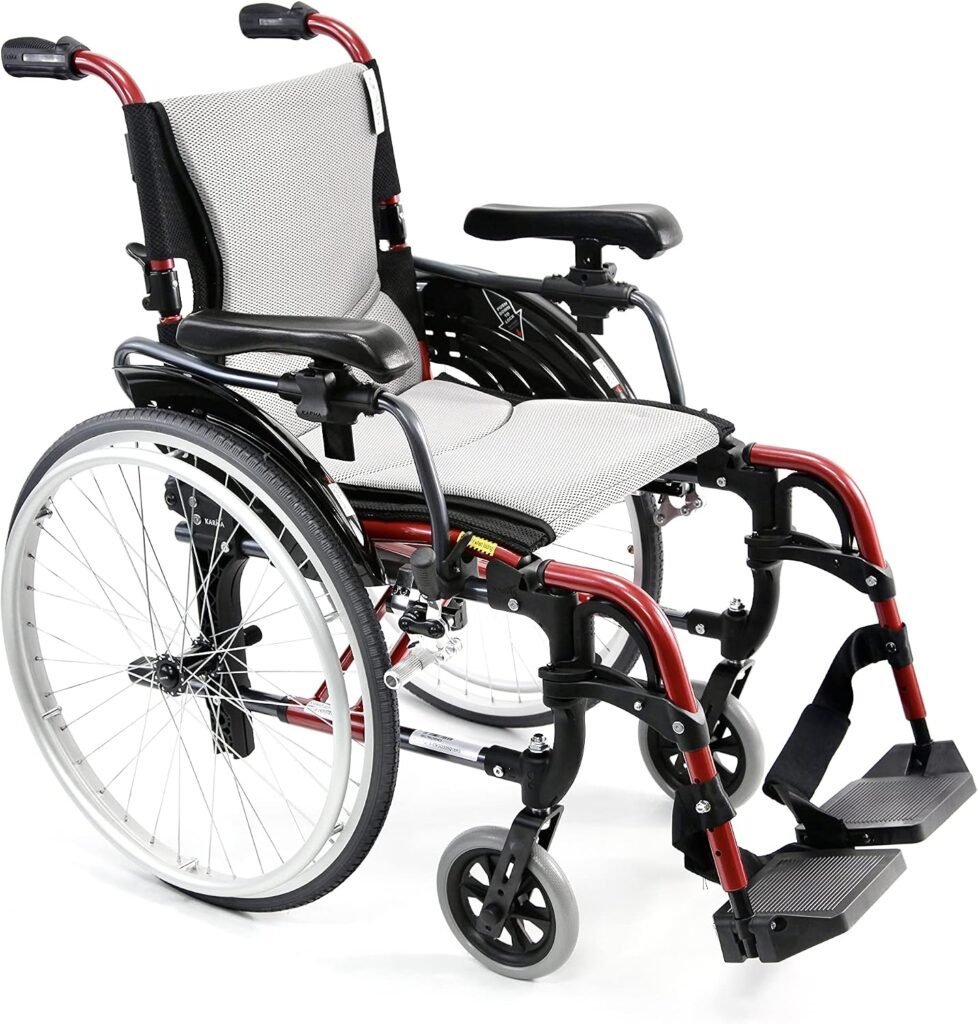
- A contoured seat instead of a flat sling. Karman’s S-shaped seat is the best-known example.
- An adjustable back, in height, angle, or both.
- Adjustable seat height, so arms reach the wheels and feet land right.
- Adjustable seat depth, so the thighs are actually supported.
- Breathable upholstery, so the person isn’t sitting in sweat all day.
- Wide, padded armrests that support the forearm and elbow.
- Hand rims and brake levers shaped for an easier grip. My dad had bad arthritis in his hands, and grip mattered for everything he did.
How to Measure for a Wheelchair That Fits
Grab a tape measure and a helper. Have the person sit upright in a firm, flat chair with feet flat on the floor.
Seat width
Measure across the widest part of the hips or thighs, then add about 1 to 2 inches. Too narrow presses on the hips. Too wide makes the person lean to one side and reach out to push the wheels.
Seat depth
Measure from the back of the hips to the back of the knee, then subtract about 2 inches. When seated, you want two or three fingers of space between the seat edge and the back of the knee. Too deep and the person slides forward to bend their knees, which rolls the pelvis back.
Seat height
Measure from the back of the knee to the floor, with shoes on. If the person uses footrests, add about 2 inches for clearance under the footplates. If they push with their feet, which is common after a stroke, the seat needs to be low enough for the heels to rest flat. That lower setting is called “hemi-height.”
Back height and angle
For most people who push themselves, the top of the backrest sits a little below the shoulder blades, so the shoulders can move freely. A back tipped back a few degrees can help someone who tends to fall forward. Too much recline makes the wheels harder to reach.
Doorways and the car
Measure your narrowest doorway, usually the bathroom, and compare it to the chair’s overall open width. Check the folded size against your trunk too. A chair that fits the person but not the house won’t get used the way it should.

Extra Fit Checks If You Push Yourself
If the person propels their own chair, check these once the chair arrives:
- Wheel reach: sitting upright with the arm hanging down, the fingertips should land around the center of the wheel hub or a little above it. Too high and the shoulders hunch to reach the rims.
- Armrest height: with elbows bent on the armrests, the shoulders should be relaxed, not hiked up or dropped.
- Footrest height: the thighs should rest level on the seat. Footrests set too high push the knees up and the weight onto the tailbone.
The Best Ergonomic Wheelchairs for Posture, Comfort and Fit
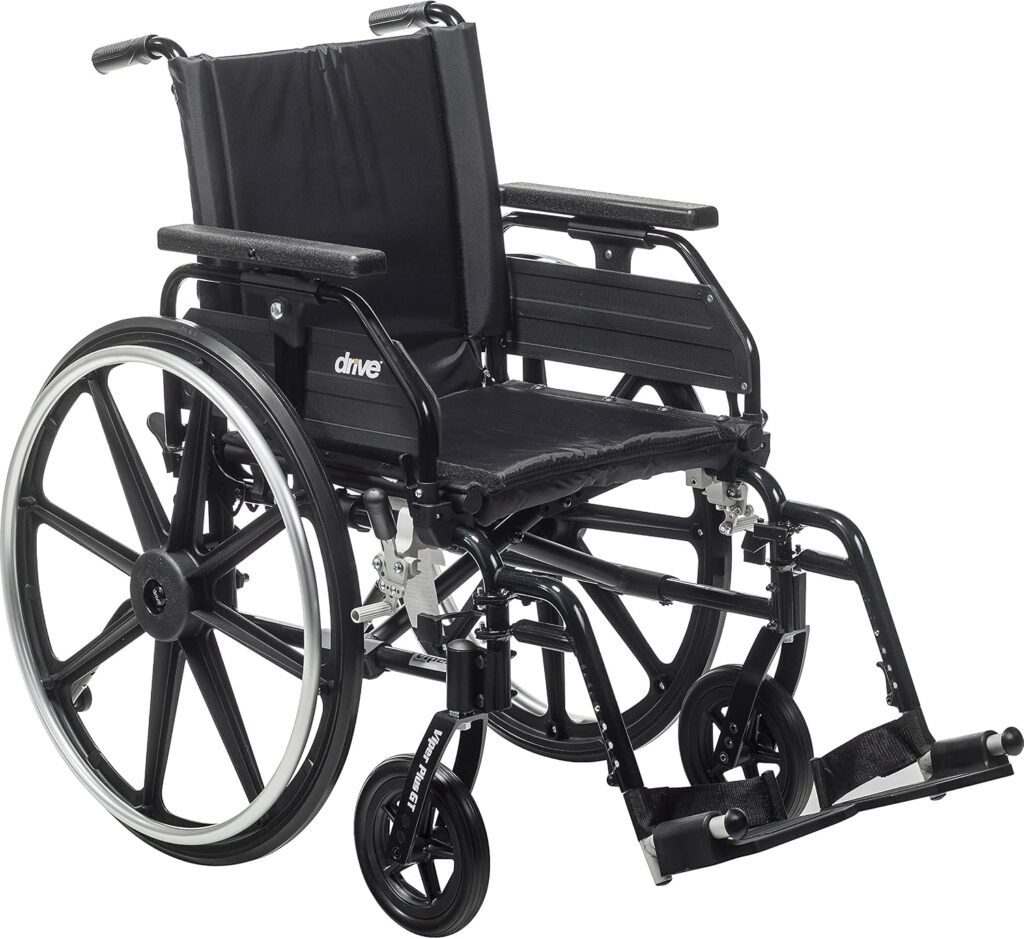
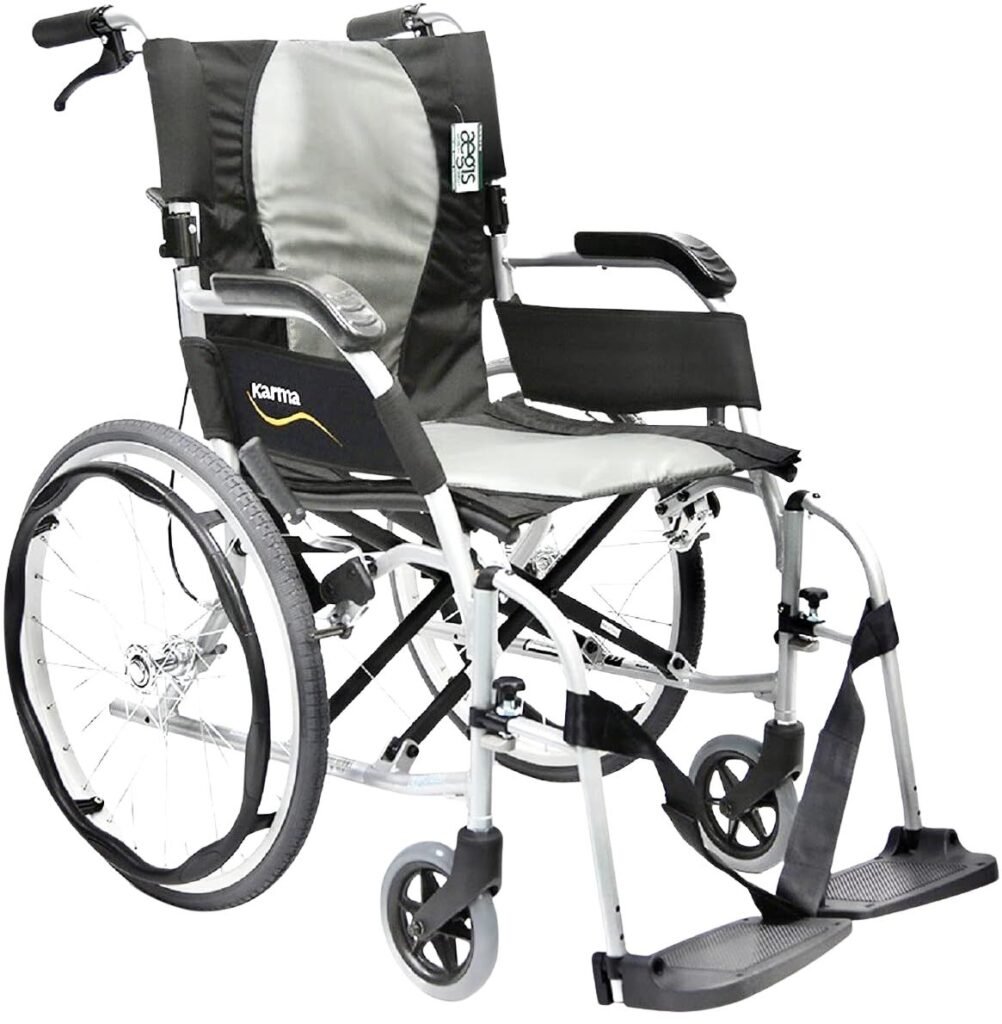
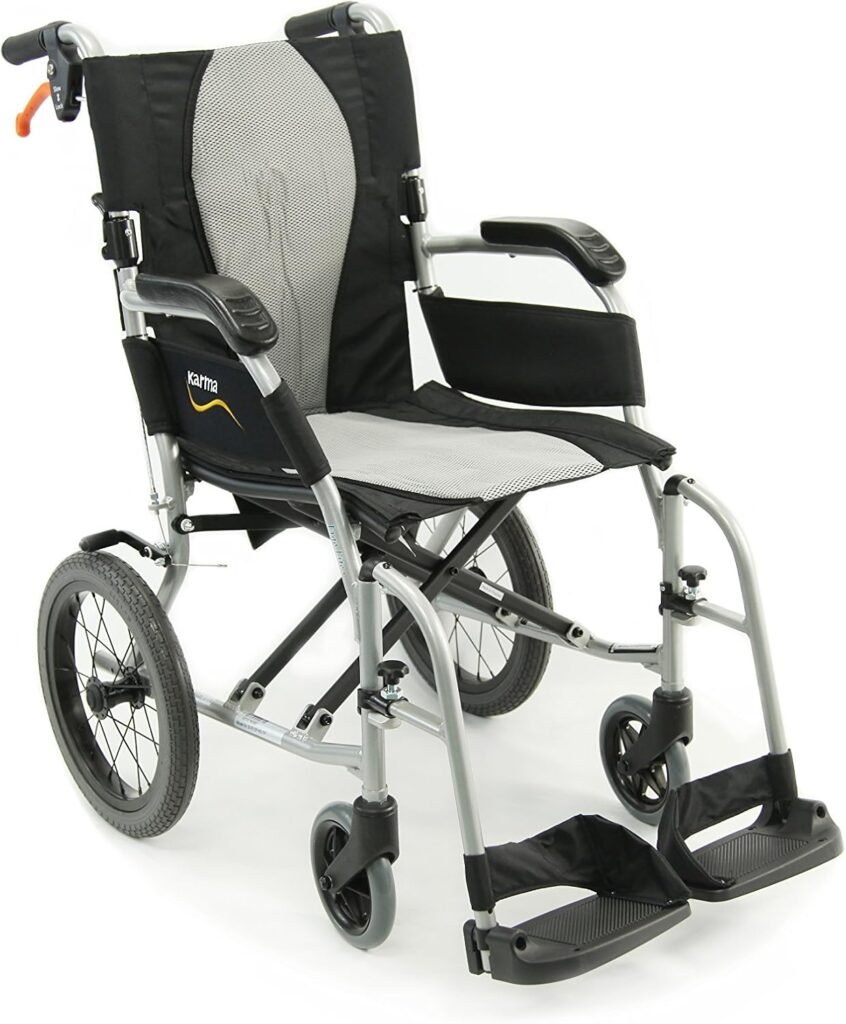
I picked these for adjustability and seat design first, then weight. A chair you can’t adjust can’t be fitted, and a seat that sags can’t hold anyone upright for long.
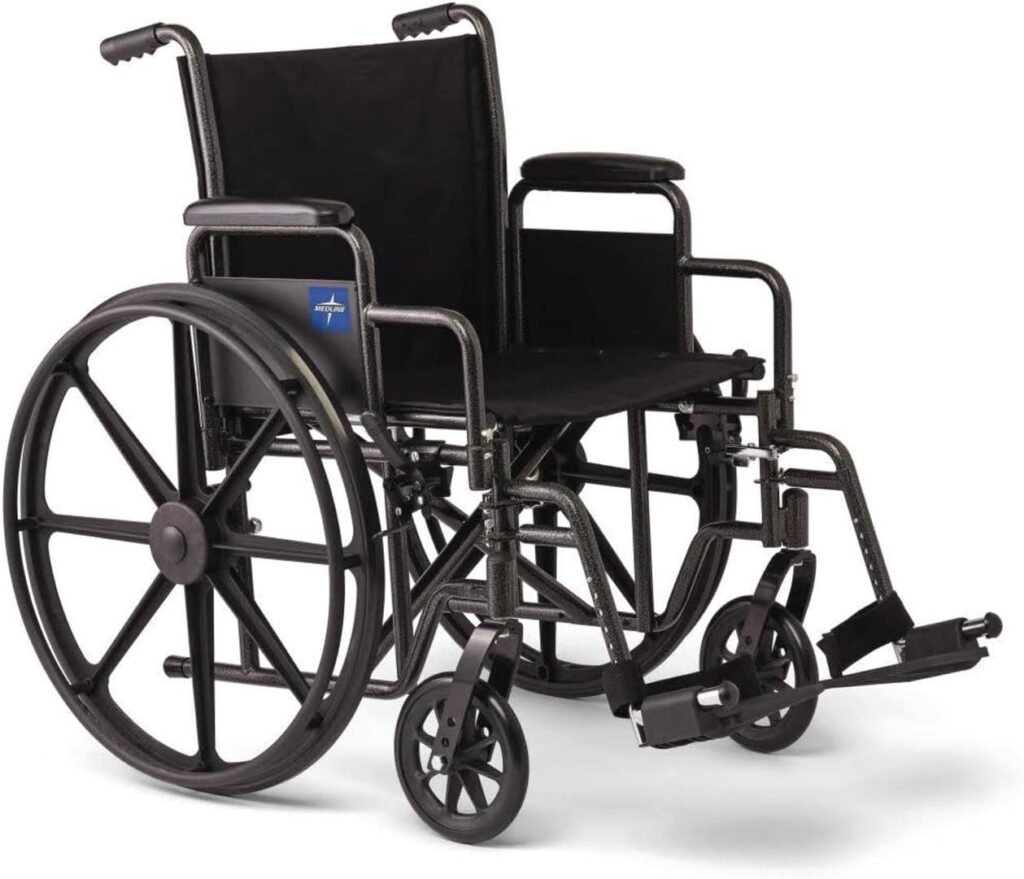
What About a Standard Chair Like the Silver Sport?
My dad’s Silver Sport did its job. It’s sturdy and inexpensive, and for someone who mostly gets pushed by a caregiver, it’s a reasonable choice. But it’s a steel chair at around 41 pounds without footrests, with flat sling upholstery. For someone pushing themselves all day and trying to sit up straight, I’d step up to one of the chairs above.
I pushed Dad some of the time, but he could wheel the Silver Sport himself, and he often did. If I was downstairs or outside and he needed the bathroom, he’d just go. He was very independent, so a chair he could handle on his own mattered.
Two Upgrades That Help Any Wheelchair
An adjustable-tension back
An adjustable-tension back replaces a flat sling back with straps you can tighten or loosen at different heights. You can add firm support at the low back and leave room higher up, shaping the back to the person. Drive makes a general-use adjustable tension back cushion for people with mild positioning needs, and it costs far less than a new chair.
A real seat cushion
Even the best chair won’t be comfortable all day on its stock cushion. A good cushion fills in the sag of a sling seat and helps keep the pelvis level. My dad’s VA chair came with a ROHO air cushion, made of rows of small air cells that shift with the body to spread pressure since Dad ended up preferring the $50 cushion, you could add “He actually liked a $50 cushion from Amazon better” after the ROHO sentence.
Foam, gel and air cushions each have their place depending on how long the person sits and how at risk they are for pressure sores. If the person has had a pressure sore or can’t shift their weight on their own, ask their doctor or a therapist which cushion they need.
Signs a Wheelchair Doesn’t Fit
Watch for these, especially in the first couple of weeks with a new chair:
- Sliding forward toward the front edge of the seat
- Leaning to one side
- Red marks on the hips, tailbone or backs of the knees that don’t fade within about 30 minutes
- Knees sitting higher than the hips
- Shoulders hiked up on the armrests, or hunching forward to reach the wheels
- New back, neck or tailbone pain that started with the chair
Any of these means it’s time to adjust the chair, add a cushion, or get a professional seating evaluation.
When a Custom Chair Makes More Sense
Off-the-shelf chairs only go so far. If the person has a spinal curve, leans heavily, has trouble holding up their head, or already has pressure injuries, they need a seating evaluation from a physical or occupational therapist, not a chair off a website.
That’s how my dad got his custom chair through the VA. It was measured to him and to his house. Medicare, the VA and many insurance plans can help cover a custom chair with a prescription and a seating evaluation. If you’re a veteran, ask your VA primary care team about a referral.
After he passed, I donated his chair to the VA home in Payson, Utah, where he spent his last two weeks, so someone else could use it.

Getting Medicare or the VA to Help Pay
If you’re hoping Medicare will help pay for the chair, start with Medicare’s wheelchair coverage page. Medicare Part B can cover a wheelchair as medical equipment when a doctor prescribes it for use in the home. After the deductible, you usually pay 20 percent, and you’ll want a supplier that’s enrolled in Medicare. Talk with the doctor before you buy, because getting the paperwork right up front saves a lot of headaches. If the person is a veteran, check with the VA too. That’s how my dad got his custom chair.
Final Thoughts
Dad was in a wheelchair for close to 9 years, and honestly, he hated it. Part of that was how tight it fit, but mostly he just didn’t like needing it. He also knew it was the thing that kept him going. It got him to the bathroom when I was outside, around the house, and out the door. It kept him independent. For all his complaining, that chair was his best friend.
That’s why fit and comfort matter so much. Your person is going to spend hours a day in this chair, maybe years. Measure carefully, check your doorways, and pick the chair that lets them get where they need to go on their own.
Frequently Asked Questions
What is the best wheelchair for posture?
For most people, a chair with an adjustable back, adjustable seat height, and either a contoured seat or a good cushion. The Drive Viper Plus GT offers the most adjustments, and the Karman S-Ergo chairs have the best-shaped seats. Significant posture problems call for a custom chair fitted by a therapist.
What is an ergonomic wheelchair?
It’s a wheelchair designed around the shape of the body, usually with a contoured seat, breathable upholstery, padded armrests and shaped hand rims, instead of a flat sling seat and back.
Can a wheelchair cause bad posture?
Yes. A chair that’s the wrong size, or one with sagging sling upholstery, can pull a person into a slump over time. That can lead to back and neck pain and more pressure on the tailbone.
How do I know what size wheelchair I need?
Measure hip width and add 1 to 2 inches for seat width. Measure from the back of the hips to the back of the knee and subtract about 2 inches for seat depth. Measure from the back of the knee to the floor for seat height.
Is a lighter wheelchair better for posture?
Not by itself, but it helps. A lighter chair takes less effort to push, so you’re less likely to hunch forward and strain. Weight and adjustability together matter most.
Will Medicare or the VA pay for an ergonomic wheelchair?
They may cover a wheelchair, including lightweight models, with a prescription showing medical need. Coverage depends on the person’s situation, so ask the doctor and the supplier before buying.
