
Adaptive Kitchen Aids: Tools That Make Cooking Easier, Safer, and More Independent
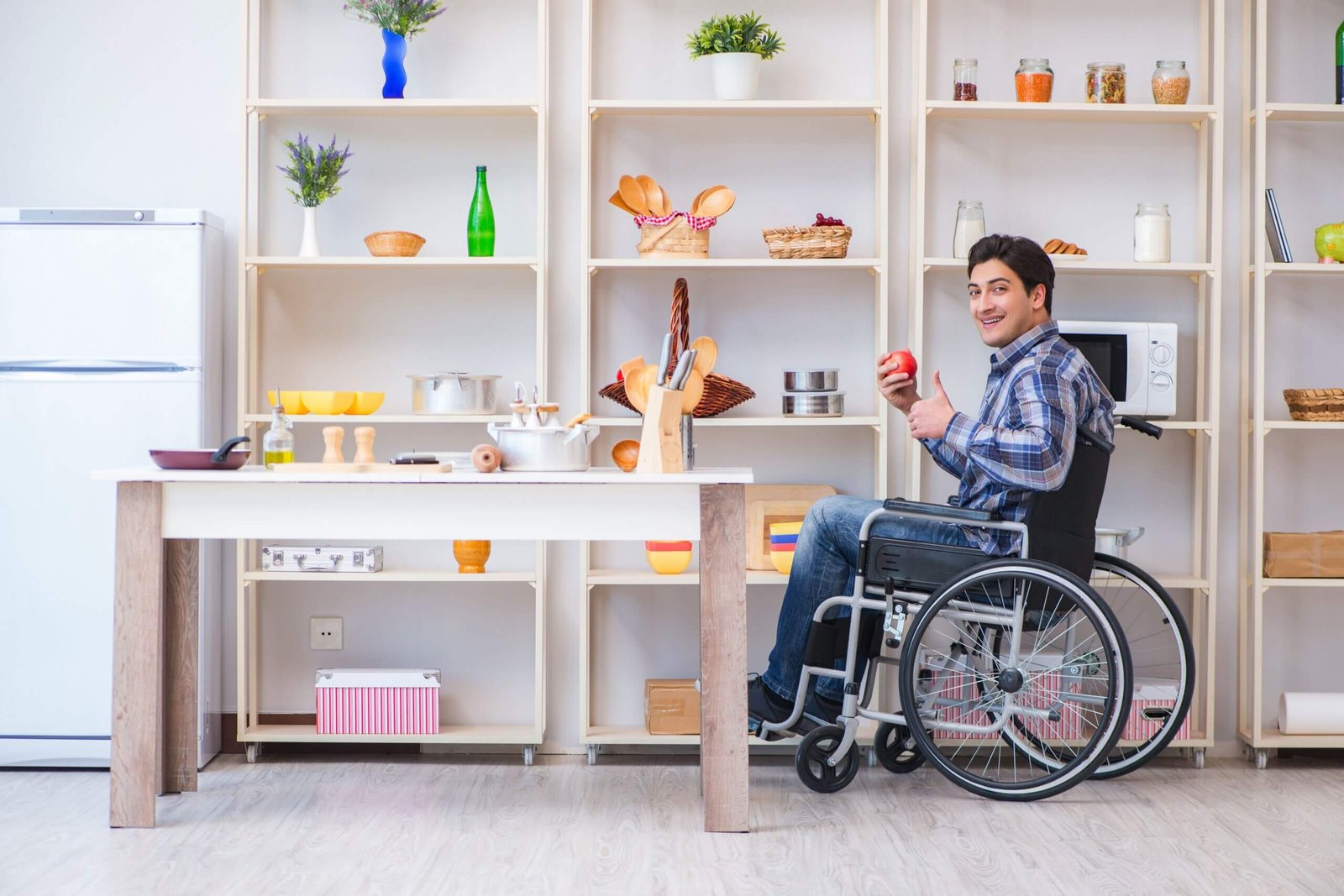
Adaptive kitchen aids are specialized tools, utensils, and kitchen modifications designed to make cooking, eating, and food preparation easier for people with arthritis, Parkinson’s disease, stroke recovery, weak hands, mobility limitations, or age-related changes.
These tools reduce the amount of gripping, twisting, lifting, reaching, and coordination required to complete everyday kitchen tasks safely and independently.
Sometimes the simplest changes can make a world of difference in someone’s daily life. I saw that firsthand while caring for my father, who had arthritis in his hands.
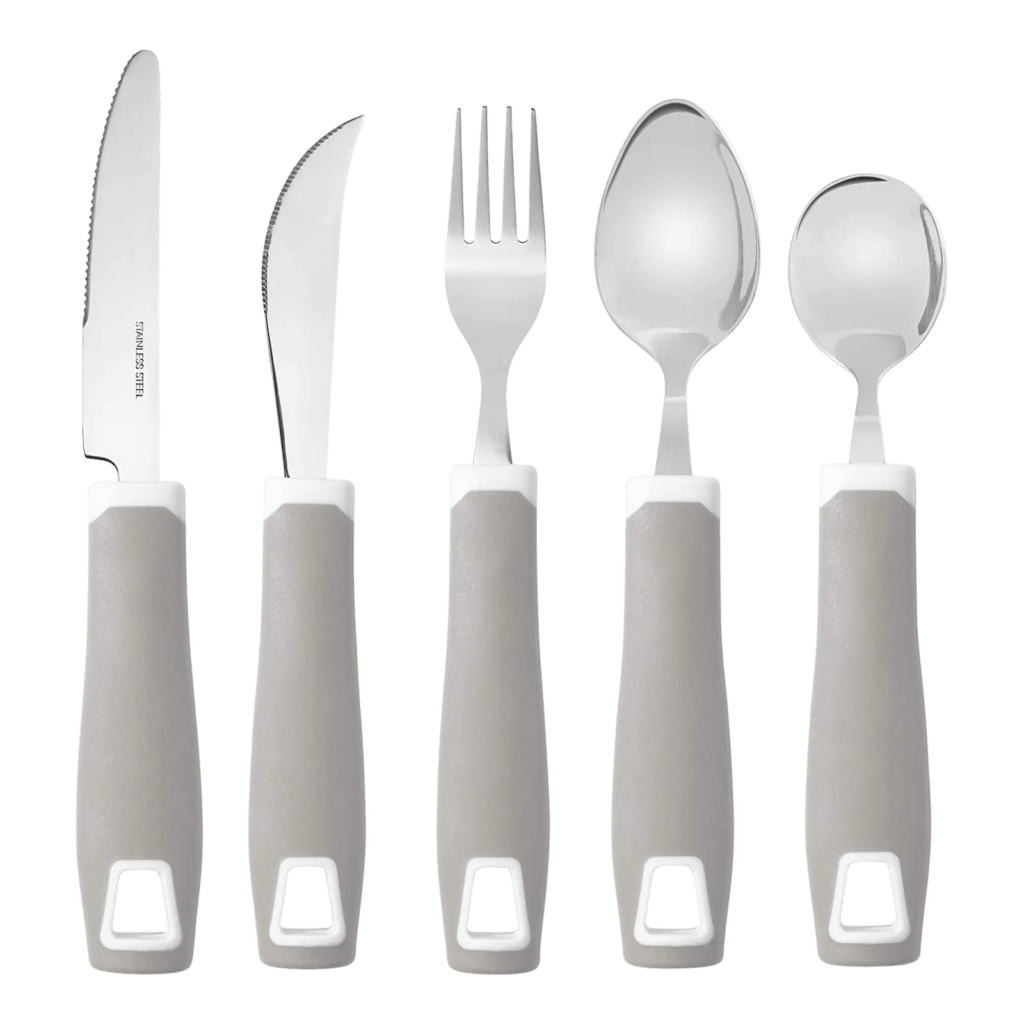
Holding a regular fork, spoon, or knife became difficult, so I bought him a set of weighted utensils with larger handles that were easier to grip. It was a small change that cost only about $10 or $20, but it made eating less frustrating and helped him maintain his independence.
Often, the right adaptive tool doesn’t have to be expensive to make a meaningful difference.
What Are Adaptive Kitchen Aids?
Adaptive kitchen aids are tools that help people continue preparing meals, eating, and enjoying their kitchen safely when physical limitations make everyday tasks more difficult.
For some people, that means opening a stubborn pickle jar without pain.
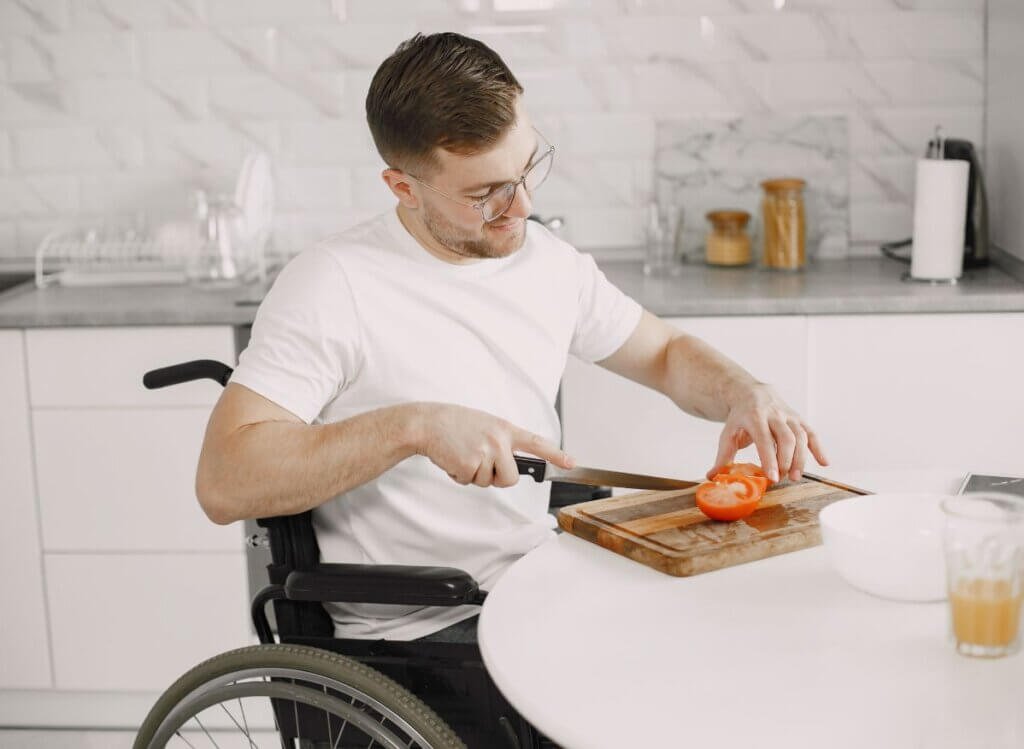
For others, it means being able to cut vegetables with one hand after a stroke or carry a cup of coffee without worrying about spills.
The goal isn’t simply convenience.
The goal is independence.
Many seniors want to remain in their own homes as long as possible. People recovering from surgery want to regain confidence. Caregivers want their loved ones to stay involved in daily activities without unnecessary risks.
The right adaptive kitchen aid can help make that happen.
Some of the most common examples include:
- Built-up handle utensils
- Weighted spoons and forks
- Jar and bottle openers
- Electric can openers
- One-handed cutting boards
- Lightweight cookware
- Spill-proof cups
- Reachers and grabbers
- Non-slip mats
- Kitchen timers
- Adaptive measuring cups
While some devices look specialized, many are surprisingly simple and affordable.
In fact, some of the most effective solutions cost less than a fast-food lunch.
Why Kitchen Tasks Become Harder With Age and Disability
Cooking requires far more physical ability than most people realize.
Think about everything involved in making a simple meal:
- Opening containers
- Holding utensils
- Cutting food
- Lifting pans
- Carrying hot liquids
- Reading labels
- Reaching cabinets
- Standing for extended periods
- Remembering cooking times
When arthritis, Parkinson’s disease, stroke recovery, balance problems, or reduced strength enter the picture, those tasks become much more challenging.
Common Challenges Seniors Face in the Kitchen
Many older adults experience:
- Reduced hand strength
- Joint pain
- Limited wrist movement
- Balance issues
- Slower reaction times
- Reduced vision
- Fatigue
- Difficulty reaching overhead storage
The result is often frustration.
People begin avoiding meals that require preparation. Some stop cooking altogether.
Unfortunately, that can reduce both independence and quality of life.
The good news is that many kitchen challenges can be solved with a few well-chosen adaptive tools.
Best Types of Adaptive Kitchen Aids for Cooking and Eating
Rather than choosing equipment by product category, it helps to think about the task that has become difficult.
What part of cooking is causing problems?
Once you answer that question, finding the right solution becomes much easier.

Adaptive Utensils for Eating
If gripping utensils has become difficult, adaptive eating aids are often the best place to start.
Built-Up Handle Utensils
These utensils have larger handles that require less finger strength.
They are particularly helpful for:
- Arthritis
- Weak grip strength
- Hand pain
- Limited finger mobility
Weighted Utensils
Weighted utensils can help some people with tremors maintain better control while eating.
They are often recommended for:
- Parkinson’s disease
- Essential tremor
- Certain neurological conditions
Angled Utensils
Angled spoons and forks reduce awkward wrist positions and can make eating easier for people with limited arm or wrist movement.
Rocker Knives
A rocker knife cuts food using a rocking motion rather than a traditional sawing motion.
Many people recovering from stroke find these much easier to use.
Adaptive Tools for Food Preparation
Food preparation is often where frustration starts.
Opening containers, peeling vegetables, and chopping ingredients can become difficult long before eating itself becomes a problem.
Jar Openers
One of the most valuable kitchen aids for seniors.
Jar openers reduce the twisting force needed to remove lids and can make a huge difference for people with arthritis.
Options include:
- Rubber grip openers
- Under-cabinet openers
- Lever-style openers
- Electric jar openers
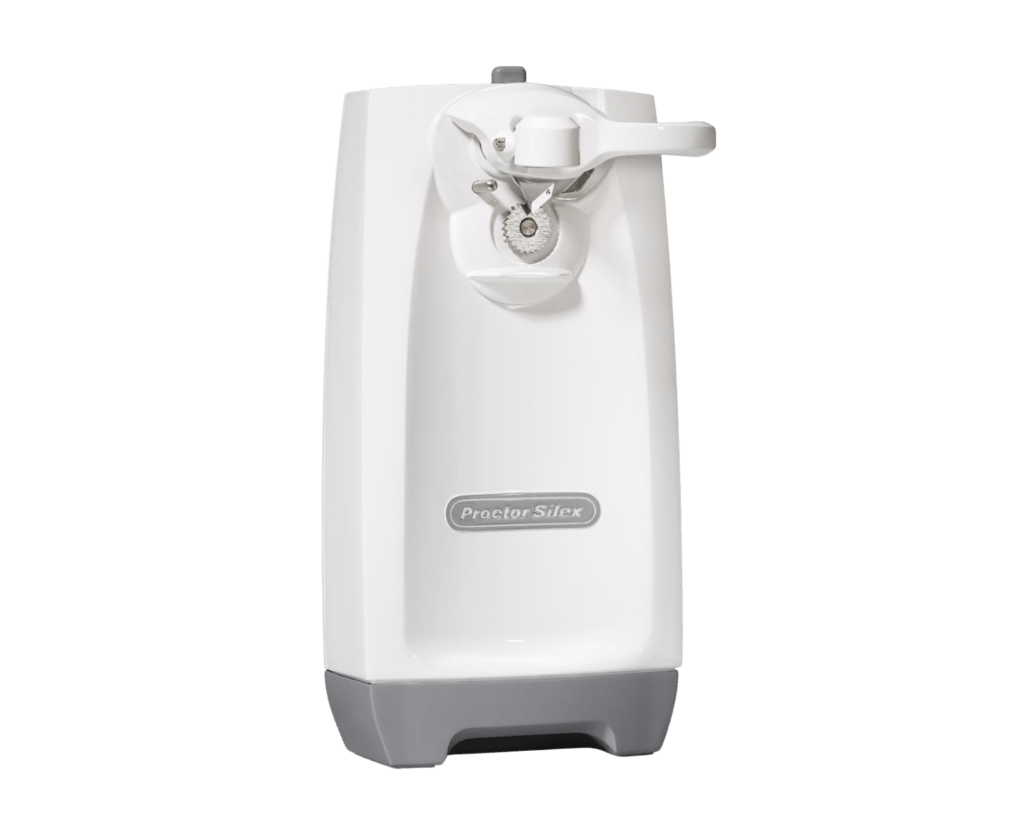
Electric Can Openers
Manual can openers require grip strength, wrist movement, and coordination.
Electric models remove most of that effort.
For many people with arthritis, they quickly become an everyday favorite.
One-Handed Cutting Boards
A one-handed cutting board is designed for people who have use of only one hand or very limited grip strength.
Common features include:
- Food spikes
- Raised edges
- Suction cups
- Stabilizing clamps
These features hold food in place while cutting, slicing, or peeling.
Adaptive Measuring Cups
Many adaptive measuring cups allow measurements to be read from above rather than at eye level.
That means less lifting, less bending, and fewer spills.

Adaptive Cooking Aids
Cooking often involves heat, weight, and repetitive movement.
The right tools can significantly reduce those challenges.
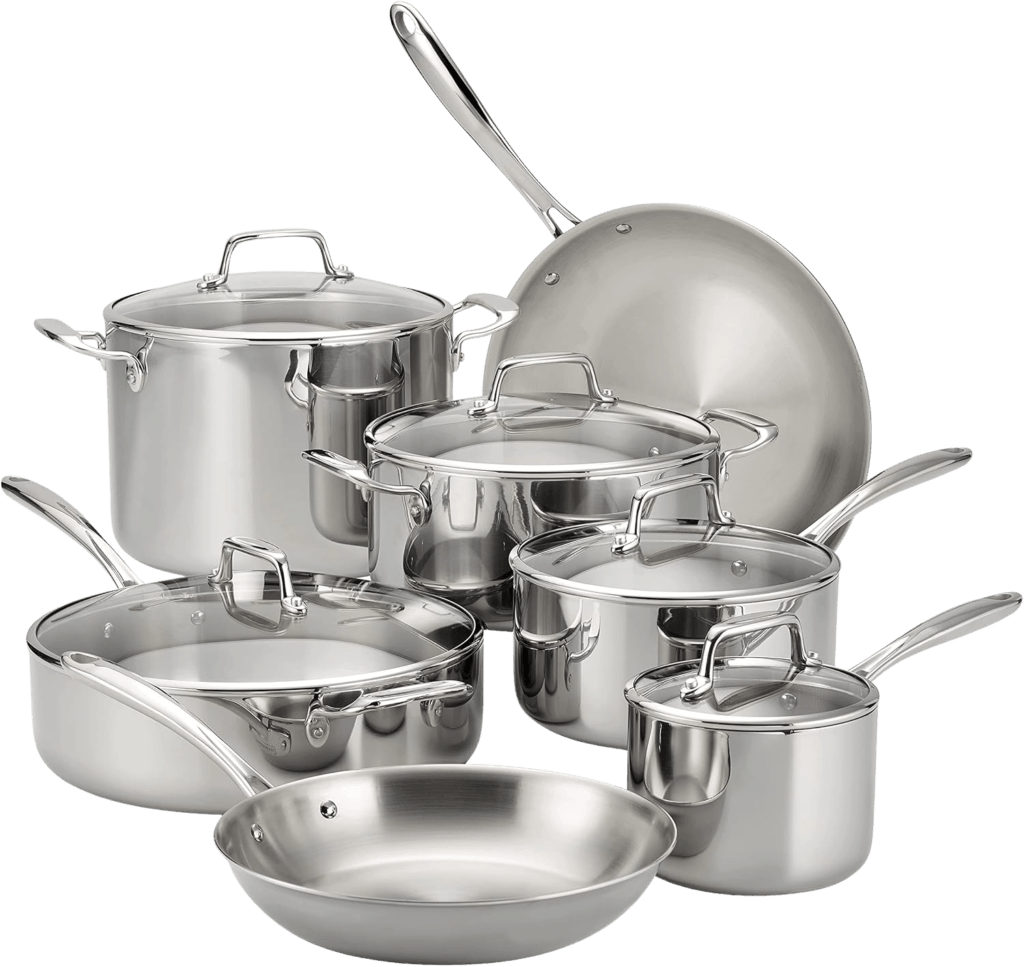
Lightweight Cookware
Heavy cast-iron cookware may be wonderful for cooking, but it can be difficult for seniors to lift safely.
Lighter cookware helps reduce strain on:
- Hands
- Wrists
- Elbows
- Shoulders
Non-Slip Mixing Bowls
A bowl that slides across the counter can quickly become frustrating.
Non-slip bases help keep bowls stable during mixing and food preparation.
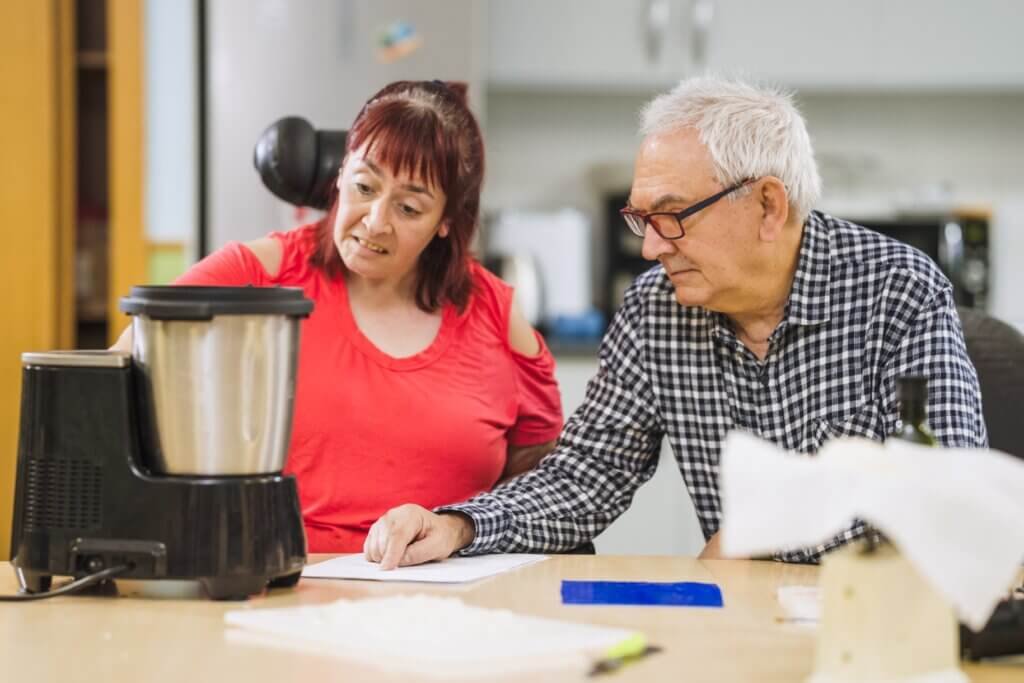
Automatic Stirrers
For individuals with fatigue, arthritis, or limited arm mobility, automatic stirrers can eliminate repetitive stirring tasks.
Kitchen Timers
Kitchen timers are often overlooked.
However, they can be among the most important adaptive kitchen aids available.
If you’ve ever become distracted while cooking, you understand why.
Loud timers, talking timers, and visual timers can help prevent burned food and reduce safety risks.
Adaptive Drinkware and Cups
Sometimes carrying a cup of coffee across the kitchen becomes more challenging than cooking the meal itself.
Two-Handled Cups
These cups distribute weight more evenly and provide better control.
They are helpful for:
- Weak hands
- Tremors
- Arthritis
- Balance concerns
Spill-Proof Mugs
A spill-proof mug can reduce both messes and burn risks.
Many include:
- Locking lids
- Large handles
- Insulated walls
Weighted Cups
Weighted cups may help some people with tremors maintain better control while drinking.
Nosey Cups
Despite the unusual name, nosey cups can be incredibly useful.
The cut-out design allows a person to drink without tilting their head backward as much.
This can be helpful for people with limited neck movement or swallowing challenges.
Adaptive Kitchen Aids by Task: Quick Reference Table
| Task | Helpful Adaptive Kitchen Aid | Why It Helps |
|---|---|---|
| Eating | Built-up utensils | Easier grip |
| Eating | Weighted utensils | Better tremor control |
| Cutting | One-handed cutting board | Stabilizes food |
| Opening jars | Jar opener | Reduces twisting force |
| Opening cans | Electric can opener | Eliminates strain |
| Cooking | Lightweight cookware | Easier lifting |
| Mixing | Non-slip bowls | Prevents sliding |
| Drinking | Two-handled cups | Improved stability |
| Safety | Kitchen timer | Reduces cooking accidents |
| Reaching | Reacher tool | Prevents dangerous climbing |
Low-Cost Fixes vs Powered Solutions
| Low-Cost Solution | Powered Solution |
|---|---|
| Foam tubing on utensils | Electronic adaptive utensils |
| Rubber jar opener | Electric jar opener |
| Manual adaptive can opener | Electric can opener |
| Non-slip mat | Powered stabilizing device |
| Lightweight cookware | Automatic stirring device |
| Two-handled mug | Spill-control adaptive drink system |
Sometimes the inexpensive option works just as well as the expensive one.
A piece of non-slip material under a mixing bowl may provide more day-to-day benefit than a gadget that costs ten times as much.
The smartest approach is usually to solve the problem first and worry about fancy features later.
Best Adaptive Kitchen Aids for Arthritis, Parkinson’s Disease, Stroke Recovery, and Weak Hands
Not every adaptive kitchen aid works for every person.
The best choice depends on the challenge you’re trying to solve.
Someone with arthritis may struggle with painful twisting motions, while a stroke survivor may need tools that allow one-handed cooking. A person with Parkinson’s disease may be more concerned about tremors and spills.
Matching the tool to the problem is usually the fastest path to success.
Best Adaptive Kitchen Aids for Arthritis
Arthritis often affects grip strength, finger flexibility, and wrist movement.
Simple tasks like opening a jar or lifting a saucepan can become painful.
Most Helpful Kitchen Aids for Arthritis
| Tool | Why It Helps |
|---|---|
| Built-up utensils | Easier to grip |
| Angled utensils | Reduce wrist strain |
| Jar openers | Reduce twisting force |
| Electric can openers | Eliminate repetitive motion |
| Lightweight cookware | Easier lifting |
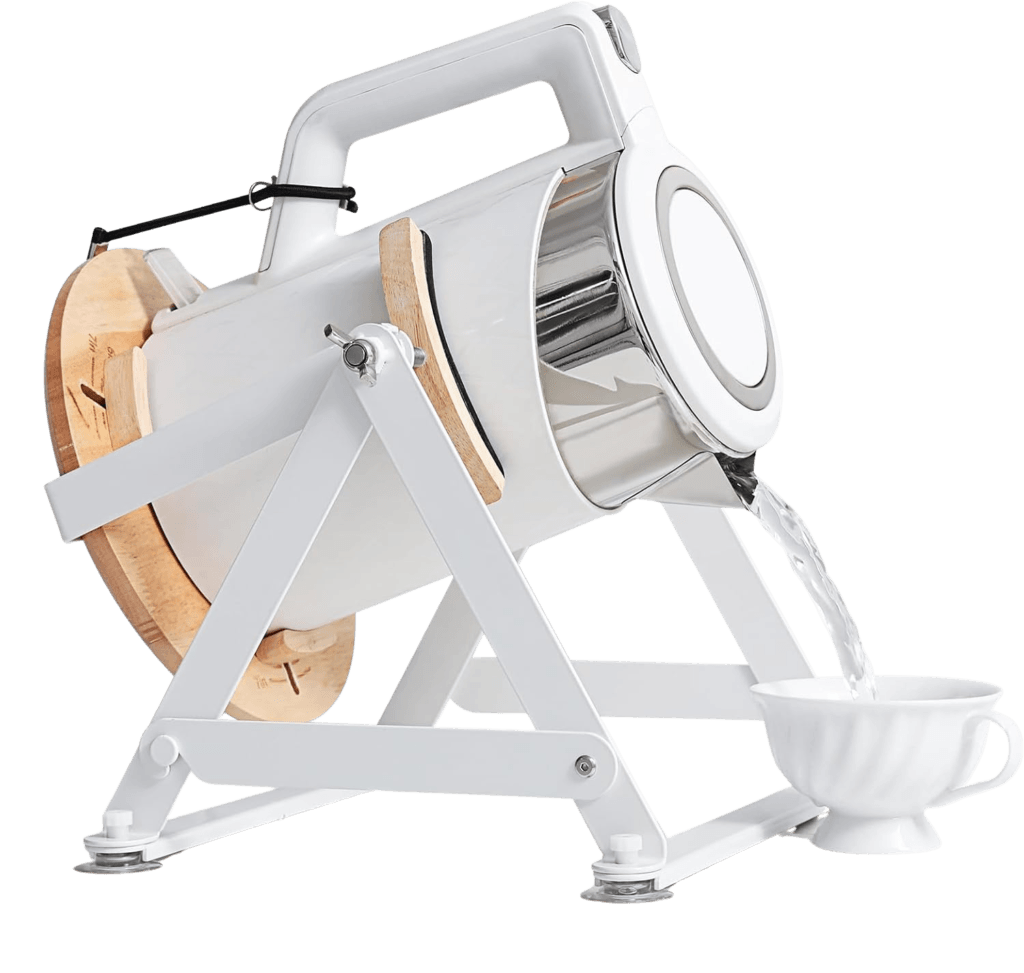
| Kettle tippers | Reduce lifting hot liquids |
| Two-handled mugs | Better control and stability |
| Angled measuring cups | Easier reading without bending |
One of the biggest mistakes people make is continuing to use heavy cookware simply because they’ve owned it for years.
Sometimes replacing a few heavy pots and pans with lighter versions can make cooking enjoyable again.
Best Kitchen Aids for Parkinson’s Disease
Parkinson’s disease can create challenges with:
- Tremors
- Slower movement
- Stiffness
- Coordination
- Fatigue
- Balance
The goal is usually to improve control while reducing spills and burns.
Most Helpful Kitchen Aids for Parkinson’s
| Tool | Why It Helps |
|---|---|
| Weighted utensils | May improve control during meals |
| Swivel spoons | Help keep food level |
| Plate guards | Reduce spills |
| Non-slip mats | Stabilize dishes and bowls |
| Spill-resistant cups | Improve drinking safety |
| Kettle tippers | Reduce burn risk |
| Rocker knives | Easier one-handed cutting |
| Timers | Help prevent cooking accidents |
Many caregivers focus on tremors first.
In reality, reducing fatigue and improving safety often makes a bigger difference in daily life.
Best Kitchen Aids for Stroke Recovery
After a stroke, one side of the body may be weaker than the other.
Cooking can become frustrating when tasks that once required two hands must now be completed with one.
Fortunately, many adaptive kitchen aids were specifically designed for this situation.
Most Helpful Kitchen Aids After Stroke
| Tool | Why It Helps |
|---|---|
| One-handed cutting boards | Hold food in place |
| Suction mats | Prevent movement |
| Rocker knives | Allow one-handed cutting |
| Universal cuffs | Assist with grip limitations |
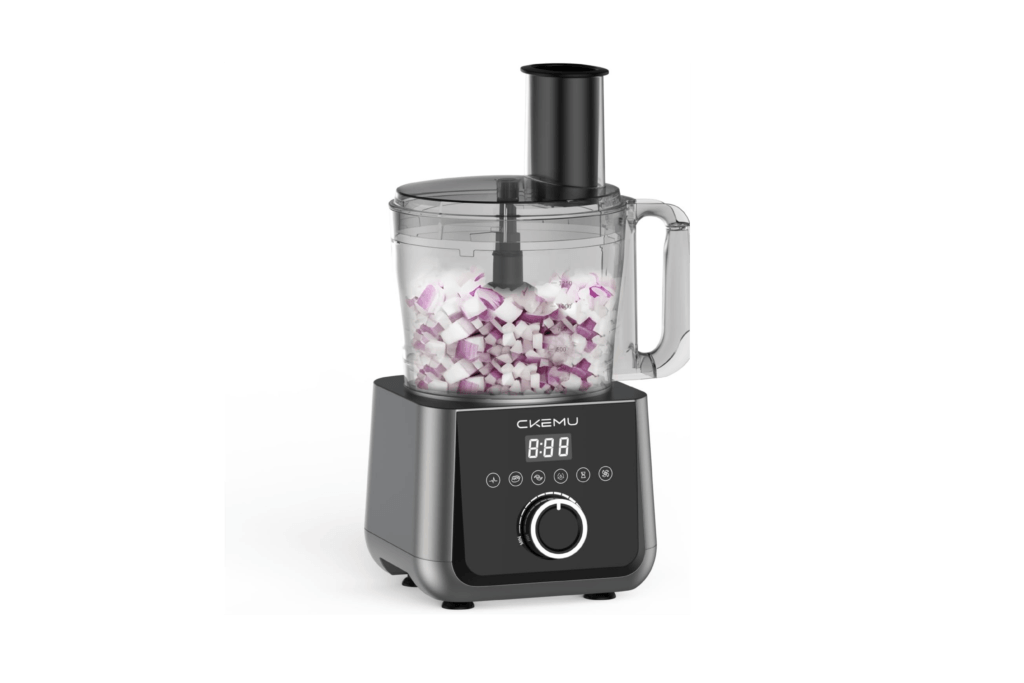
| Food choppers | Reduce knife work |
| Electric openers | Simplify food preparation |
| Kitchen carts | Help move items safely |
| Seated prep stations | Reduce fatigue |
If you’ve ever tried peeling a potato with one hand, you’ll quickly understand why these tools matter.
The right equipment can turn a frustrating task into something manageable again.
Best Kitchen Aids for Weak Hands
Weak grip strength is common among seniors and people recovering from illness or injury.
The best tools reduce the amount of force needed to perform everyday tasks.
Most Helpful Tools for Weak Hands
- Easy-grip peelers
- Large-handle utensils
- Electric can openers
- Electric jar openers
- Lightweight cookware
- Two-handled cups
- Adaptive measuring tools
- Non-slip mats
The common theme is simple:
Reduce force. Increase leverage.
Kitchen Safety Tips for Seniors Who Want to Keep Cooking
Adaptive kitchen aids aren’t just about convenience.
They’re about staying safe.
Many kitchen injuries happen because someone is trying to work around a limitation instead of addressing it.
Prevent Burns and Scalds
Simple habits can dramatically reduce risk.
Burn Prevention Checklist
- Turn pot handles toward the back of the stove
- Use dry oven mitts
- Avoid loose sleeves while cooking
- Stay in the kitchen when frying or boiling
- Use kettle tippers when lifting hot liquids is difficult
- Keep flammable items away from burners

Prevent Falls in the Kitchen
Falls remain one of the biggest threats to independence.
Fall Prevention Tips
- Improve task lighting
- Store everyday items between waist and shoulder height
- Use a reacher instead of climbing
- Remove clutter from walking paths
- Use non-slip mats
- Consider seated food preparation when standing becomes tiring
A fall can change someone’s life overnight.
A reacher costing a few dollars may prevent a trip to the emergency room.
How Caregivers Can Support Independence Without Taking Over
This may be the most important section of the article.
Many caregivers naturally want to help.
The problem is that sometimes helping too much reduces independence.
A better approach is to identify where the task breaks down.
Ask:
- Is gripping the problem?
- Is reaching the problem?
- Is balance the problem?
- Is memory the problem?
- Is fatigue the problem?
Once you know the answer, you can often solve it with a specific tool or kitchen modification.
For example:
Instead of opening every jar for your loved one, a jar opener may allow them to continue doing it themselves.
Instead of preparing every meal, a one-handed cutting board may restore enough function for safe meal preparation.
The goal is not to do everything for someone.
The goal is to help them keep doing as much as possible on their own.
What to Look for When Buying Adaptive Kitchen Aids
Not all products are created equal.
Before purchasing, consider the following:
Handle Design
Larger, ergonomic handles are usually easier to hold than narrow handles.
Weight
For arthritis and weak hands, lighter is often better.
For some tremor-related conditions, weighted utensils may be beneficial.
Stability
Look for:
- Non-slip feet
- Suction bases
- Food spikes
- Stabilizing clamps
These features often matter more than brand names.
Ease of Cleaning
A product that is difficult to clean may end up sitting in a drawer unused.
Ease of Setup
The simplest solution is often the best solution.
If a gadget requires reading a manual every time it’s used, chances are it won’t be used very often.
Here Are My Recommendations:
- Adaptive Utensils Arthritis Aid Silverware Set — Built-up grip utensils for arthritis, Parkinson’s, tremors, and weak hand strength.
- Bella Electric Can Opener — Electric can opener that reduces twisting and gripping. Great for arthritis sufferers.
- NorthCoast Big Grip T-Handle Rocker Knife — One of the better-known adaptive rocker knives for weak grip strength and one-handed cutting.
- North Coast Medical Adaptive Cutting Board Small — Adaptive cutting board designed for one-handed food preparation and stroke recovery.
- Jar Jaw Jar and Bottle Opener — Popular arthritis-friendly jar opener that eliminates much of the twisting force needed to open lids.
- Ninja Professional Plus Food Processor — Makes chopping, slicing, and food prep much easier for people with limited hand strength.
- Kinsman Enterprises Swivel Handle Utensils Spoon — Swivel utensil designed for people with limited wrist movement or hand mobility.
Final Takeaway
The best adaptive kitchen aids aren’t necessarily the most expensive ones.
They’re the ones that solve a specific problem.
A jar opener can restore confidence.
A non-slip mat can prevent frustration.
A one-handed cutting board can make meal preparation possible again.
A lightweight saucepan can turn a painful chore into an enjoyable activity.
If you or someone you care for is struggling in the kitchen, start by identifying the task that has become difficult. Then find a tool designed to remove that barrier.
Small changes often create the biggest improvements.
With the right adaptive kitchen aids, many seniors and adults living with arthritis, Parkinson’s disease, stroke recovery challenges, weak hands, or mobility limitations can continue cooking safely, maintain independence, and enjoy the satisfaction that comes from preparing their own meals.
Frequently Asked Questions About Adaptive Kitchen Aids
What kitchen tools help people with arthritis?
Built-up utensils, angled utensils, jar openers, electric can openers, lightweight cookware, kettle tippers, and two-handled mugs are among the most helpful options.
What is a one-handed cutting board?
A one-handed cutting board is designed to hold food in place using spikes, raised edges, clamps, or suction feet, allowing food preparation with one hand.
Can adaptive kitchen aids help prevent falls?
Yes. Many adaptive kitchen aids reduce reaching, climbing, carrying, and other activities that increase fall risk. The greatest benefits occur when adaptive tools are combined with good lighting and safer kitchen organization.
Are adaptive kitchen aids covered by Medicare?
In most cases, adaptive kitchen aids are not covered under Original Medicare because they are not typically classified as durable medical equipment. Coverage can vary, so it is always worth checking with your specific plan.
