

Kitchen aids can make cooking, meal preparation, and everyday kitchen tasks safer, easier, and more manageable for people who want to remain independent at home. Whether someone is recovering from surgery, living with arthritis, dealing with balance problems, experiencing weakness, or managing reduced mobility, the right tools can help reduce frustration and improve safety in the kitchen.
The kitchen should feel useful, comfortable, and enjoyable—not stressful or dangerous. Simple tasks like opening containers, cutting food, reaching shelves, or carrying meals can become challenging when strength, balance, or mobility changes.
The goal isn’t to replace independence. It’s to help protect it. The right kitchen aids allow people to continue preparing meals, handling daily tasks, and staying active in one of the most important rooms in the home.
In this guide, you’ll learn about common kitchen aids, how they can improve safety and convenience, and which tools can help make everyday life easier while maintaining independence.
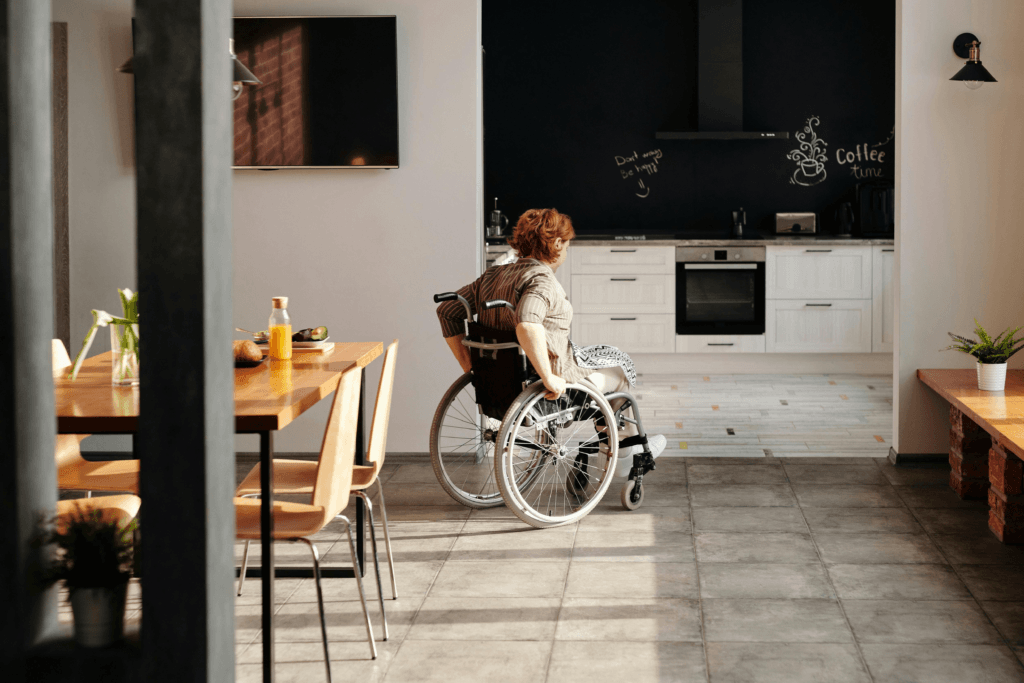
Why Kitchen Safety Matters
A lot of accidents happen in the kitchen.
Hot surfaces, sharp knives, slippery floors, heavy cookware, and awkward movements can quickly become a problem—especially when balance, strength, or mobility are limited.
Simple kitchen aids help reduce:
- Reaching and bending
- Hand strain
- Risk of burns
- Slipping hazards
- Fatigue while cooking
- Loss of confidence in the kitchen
In real life, even one helpful tool can make cooking feel possible again.


Kitchen Aids for Better Grip and Easier Use
One of the biggest challenges in the kitchen is grip strength.
Opening jars, holding utensils, or lifting pans can become difficult and frustrating. Fortunately, there are simple tools designed to help.
Helpful options include:
- Jar openers
- Easy-grip utensils
- Lightweight cookware
- Non-slip mixing bowls
- Large-handle kitchen tools
- Electric can openers
These tools are not complicated, but they reduce strain on the hands and wrists and help make cooking safer.
For people with arthritis or limited hand strength, this matters more than most people realize.
Kitchen Aids That Reduce Reaching and Bending
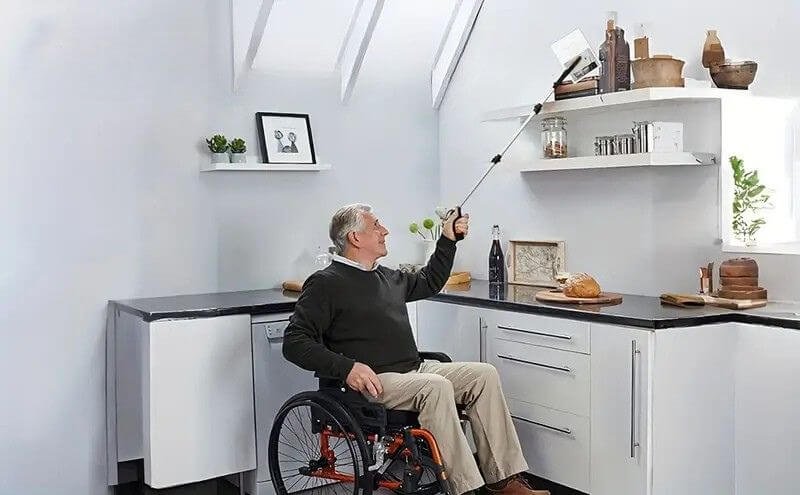
Reaching overhead or bending down repeatedly can increase the risk of falls or back strain.
This is especially important for older adults and anyone using walkers, canes, or wheelchairs.
Practical kitchen aids include:
- Reachers and grabbers
- Pull-down shelving systems
- Rolling utility carts
- Lazy Susan organizers
- Slide-out cabinet shelves
- Long-handled cleaning tools
Keeping everyday items within easy reach is one of the smartest ways to improve kitchen safety.
A good setup saves energy and helps prevent accidents before they happen.
Safer Cooking Tools for Everyday Use
Cooking should not feel risky.
There are many kitchen aids designed specifically to make meal preparation safer and easier.
Some of the most useful include:
Automatic Shut-Off Appliances
These help prevent accidents if someone forgets to turn something off.
Examples include:
- Electric kettles
- Air fryers
- Slow cookers
- Induction cooktops
Non-Slip Cutting Boards
A sliding cutting board is dangerous.
Boards with rubber grips or suction bottoms stay in place and provide more stability while preparing food.
Lightweight Cookware
Heavy pots and pans can be difficult to lift safely.
Lighter cookware helps reduce shoulder, wrist, and back strain.
Rocker Knives
These knives use a rocking motion instead of requiring full hand strength. They are helpful for people with arthritis or limited dexterity.

Kitchen Setup Tips That Actually Help
Sometimes the best kitchen aid is not a product—it is a better setup.
A few practical changes can make daily tasks much easier.
Keep Frequently Used Items Easy to Reach
Store:
- Plates
- Coffee cups
- Cooking utensils
- Everyday food items
between waist and shoulder height whenever possible.
Improve Lighting
Poor lighting increases accident risk.
Bright task lighting near counters and sinks makes cooking safer and easier on the eyes.
Reduce Clutter
Crowded countertops create stress and limit workspace.
Keeping walkways and work areas clear helps improve balance and mobility.
Use Stable Seating if Needed
A sturdy kitchen stool or seated prep station can help conserve energy for people who tire easily.
Kitchen Aids for Wheelchair Users and Limited Mobility
The kitchen can be especially challenging for wheelchair users or those with mobility limitations.
Helpful adjustments may include:
- Open space under sinks or counters
- Side-opening ovens
- Touchless faucets
- Adjustable-height tables
- Rolling carts for transporting meals
- Easy-access storage solutions
The goal is always the same: safer movement and more independence.

Recommended Kitchen Aids to Consider
Jar Openers
Simple tools that reduce hand strain and make containers easier to open safely.
Non-Slip Cutting Boards
Help keep food prep stable and reduce slipping accidents.
Electric Can Openers
A great option for people with arthritis or reduced hand strength.
Reachers and Grabbers
Useful for safely reaching items without climbing or bending.
Lightweight Cookware
Easier to lift, carry, and use with less strain on the body.
Recommended Kitchen Aids for Safety and Independence
- Dext – Ring Pull Can Opener Pop Can Opener for Seniors, Arthritis, and Parkinson’s
- BUNMO Weighted Utensils for Hand Tremors – Elderly, Weak Hand Grip & Handicapped – Stainless Steell for dining
- KAYCROWN Ulu Knife, Sharp Rocker Mezzaluna Knife with Wooden Stand
- Adaptive One Handed Cutting Board With 10 Spikes
Final Thoughts
Good kitchen aids are not about giving up independence — they are about protecting it. The right tools can make cooking safer, easier, and far less stressful for people dealing with arthritis, weakness, balance problems, recovery after surgery, or the normal changes that come with aging.
I learned this firsthand while caring for my father. Small changes in the kitchen often made the biggest difference in his confidence and daily routine. Simple tools helped him stay involved, feel useful, and maintain dignity in his own home longer.
Most people do not need dozens of gadgets filling drawers and countertops. What matters is finding a few practical kitchen aids that truly improve safety, comfort, and everyday life. The goal is simple: help people stay independent, confident, and active in the heart of the home.
What kitchen aids help people with arthritis the most?
Kitchen aids with large, easy-grip handles are often the most helpful for arthritis. Jar openers, lightweight cookware, electric can openers, rocker knives, and non-slip cutting boards can reduce strain on the hands and make cooking much safer and easier.
Are kitchen aids only meant for seniors?
No. Kitchen aids can help anyone recovering from surgery, dealing with limited strength, balance problems, disabilities, or temporary injuries. The goal is to make everyday tasks safer, easier, and more comfortable while maintaining independence.
What should I look for when choosing kitchen aids?
Focus on safety, comfort, and ease of use. Look for products that are stable, easy to grip, lightweight, and simple to clean. The best kitchen aids are usually the ones that solve a specific daily problem without making the kitchen feel cluttered or complicated.
