
Mobility is what keeps you independent.
Once movement becomes difficult—whether from balance issues, weakness, or fatigue—everything else starts to get harder too.
That’s where the right Mobility Aids matter.
It’s not just about getting around.
It’s about staying safe, staying confident, and holding on to your independence as long as possible.
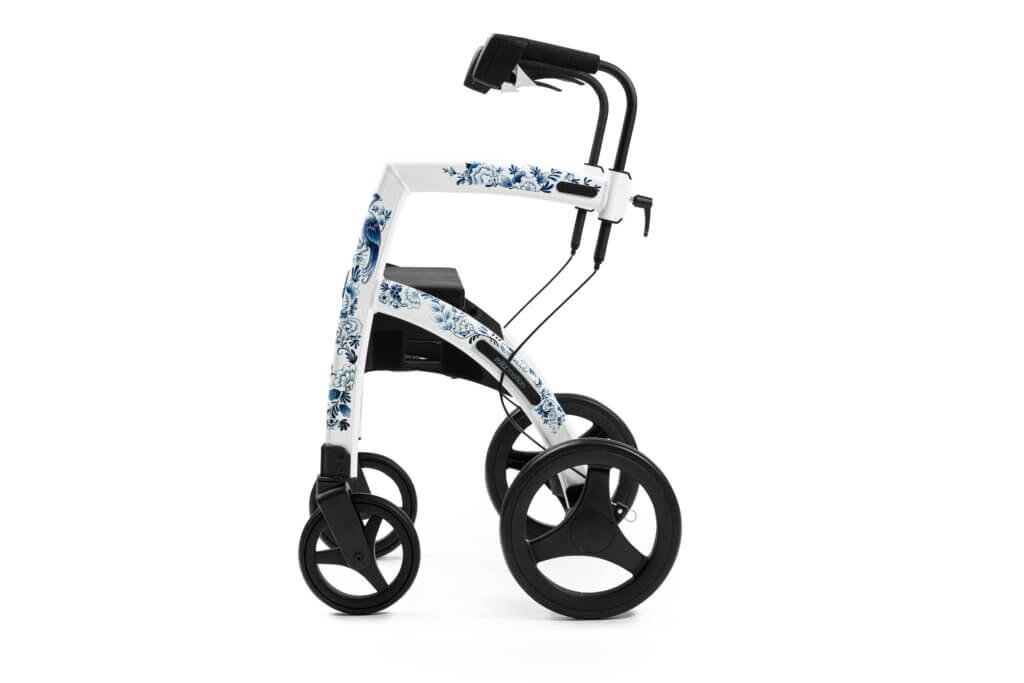
What Are Mobility Aids?
Staying mobile isn’t just about getting around—it’s about staying independent and safe in your daily life. The National Institute on Aging emphasizes that maintaining mobility is key to continuing everyday activities and reducing the risk of falls.
Some are simple. Some offer more support.
The right one depends on how much help is actually needed—not what “seems easier” at first.
Common mobility aids include:
- Canes
- Walkers (standard and two-wheel)
- Rollators (four-wheel walkers with seats)
- Wheelchairs
- Mobility scooters
Each one solves a different problem.
Signs You May Need a Mobility Aid
A lot of people wait too long before using one.
That’s where falls happen.
Here’s what to watch for:
- Feeling unsteady when walking
- Holding onto walls or furniture
- Getting tired after short distances
- Fear of falling (this one matters more than people think)
- Slower movement or hesitation
If any of these are happening regularly, it’s time to take it seriously.

Choosing the Right Mobility Aid
This is where most people make mistakes.
They pick something that looks easy… instead of what’s actually safe and practical for everyday life.
Start With the Right Level of Support
If balance is the main issue:
- Standard walker (no wheels) = maximum stability
- Best for recovery, weakness, or serious balance problems
If you can walk but need support:
- Two-wheel walker = easier movement, still offers good stability
If you’re more active and can control the device safely:
- Rollator (3 and 4 wheels) = smoother movement, easier for longer walks, often includes a seat
- But it does require control—this is not the best choice for someone with poor balance
If walking longer distances is too tiring:
- Transport wheelchair or wheelchair = helpful when walking safely for long periods is no longer realistic
If you still want independence for outings but walking is limited:
- Mobility scooter = a good option for longer distances, shopping, appointments, and getting around without wearing yourself out
- Best for people who can sit upright, steer safely, and get on and off the scooter without too much risk

Think About Real-Life Use
Ask yourself:
- Is this for inside only, or outside too?
- Are you dealing with flat floors or uneven ground?
- Is the problem balance, weakness, pain, or fatigue?
- Do you need help for short distances or full outings?
For example:
- Tight indoor spaces → standard walker or two-wheel walker
- Around the house with limited walking → walker may be enough
- Outdoors, sidewalks, parks → rollator with larger wheels may work better
- Longer trips, stores, appointments → mobility scooter may make more sense
Don’t Ignore Strength and Control
This matters more than people realize.
A rollator can actually be less safe if you can’t control it well—especially on slopes, curbs, or uneven ground.
The same goes for a mobility scooter.
A scooter can give a lot of freedom, but it still has to be used safely. If someone has trouble steering, judging space, getting on and off, or sitting upright for a while, it may not be the right fit.
Sometimes simpler is better.
And sometimes the right answer is not walking farther—it’s using the right device to stay safe and keep your energy.

How Mobility Aids Improve Daily Life
Used the right way, mobility aids don’t take independence away—they give it back.
Here’s what changes:
- Less risk of falling
- More confidence moving around
- Ability to stay active longer
- Less strain on joints and muscles
- More freedom to leave the house
I’ve seen it firsthand—once someone feels stable again, everything opens back up.
Common Mistakes to Avoid
Let’s keep this real—these are the things that cause problems:
- Choosing a device that’s too advanced
- Using a rollator with poor balance
- Incorrect height adjustment
- Rushing instead of moving at a steady pace
- Ignoring outdoor safety (curbs, cracks, uneven ground)
One wrong choice can turn a helpful tool into a risk.
Tips for Safe Use
No matter which mobility aid you use, these basics matter:
- Adjust it to the correct height (this is huge)
- Keep movements slow and controlled
- Watch the ground—especially outdoors
- Use both hands when required
- Take breaks when needed
Simple habits prevent big problems.

Recommended Mobility Aids to Consider
(Keep this section honest and simple—no hype)
- Standard Walker (No Wheels)
Best for maximum stability and recovery situations. - Two-Wheel Walker
Good balance between support and easier movement. - Rollator (3 And 4-Wheel Walker With Seat)
Ideal for more active users who can control speed and direction. - Transport Wheelchair
Helpful for longer distances when walking isn’t realistic. - Mobility Scooter
Best for extended outings when walking becomes too tiring.


Final Thoughts
Mobility aids are not about giving something up.
They’re about staying safe and keeping your independence longer.
The key is choosing the right level of support—not the most convenient option, not the most popular one, but the one that actually keeps you steady.
If something feels off when walking, don’t ignore it.
Make the adjustment early.
It’s a lot easier to stay independent than it is to get it back after a fall.